
Best Skincare Routine For Dry Skin
Dry, flaky skin leaving you frustrated with products that don’t deliver? You’re not alone. Finding the best skincare routine for dry skin can feel overwhelming when your face feels tight, looks dull, and seems to drink up moisturizer without any lasting relief.
This guide is for anyone dealing with persistently dry skin – from those with naturally dry skin types to people whose skin has become dehydrated due to weather, age, or harsh products. You’ll discover exactly how to build a routine that actually works.
We’ll walk you through the essential morning and nighttime steps that make the biggest difference for dry skin.
You’ll also learn about game-changing ingredients like hyaluronic acid and ceramides that can transform how your skin looks and feels. Plus, we’ll cover the common mistakes that might be sabotaging your efforts without you even realizing it.
Understanding Dry Skin and Its Unique Needs
Identifying the signs and symptoms of dry skin
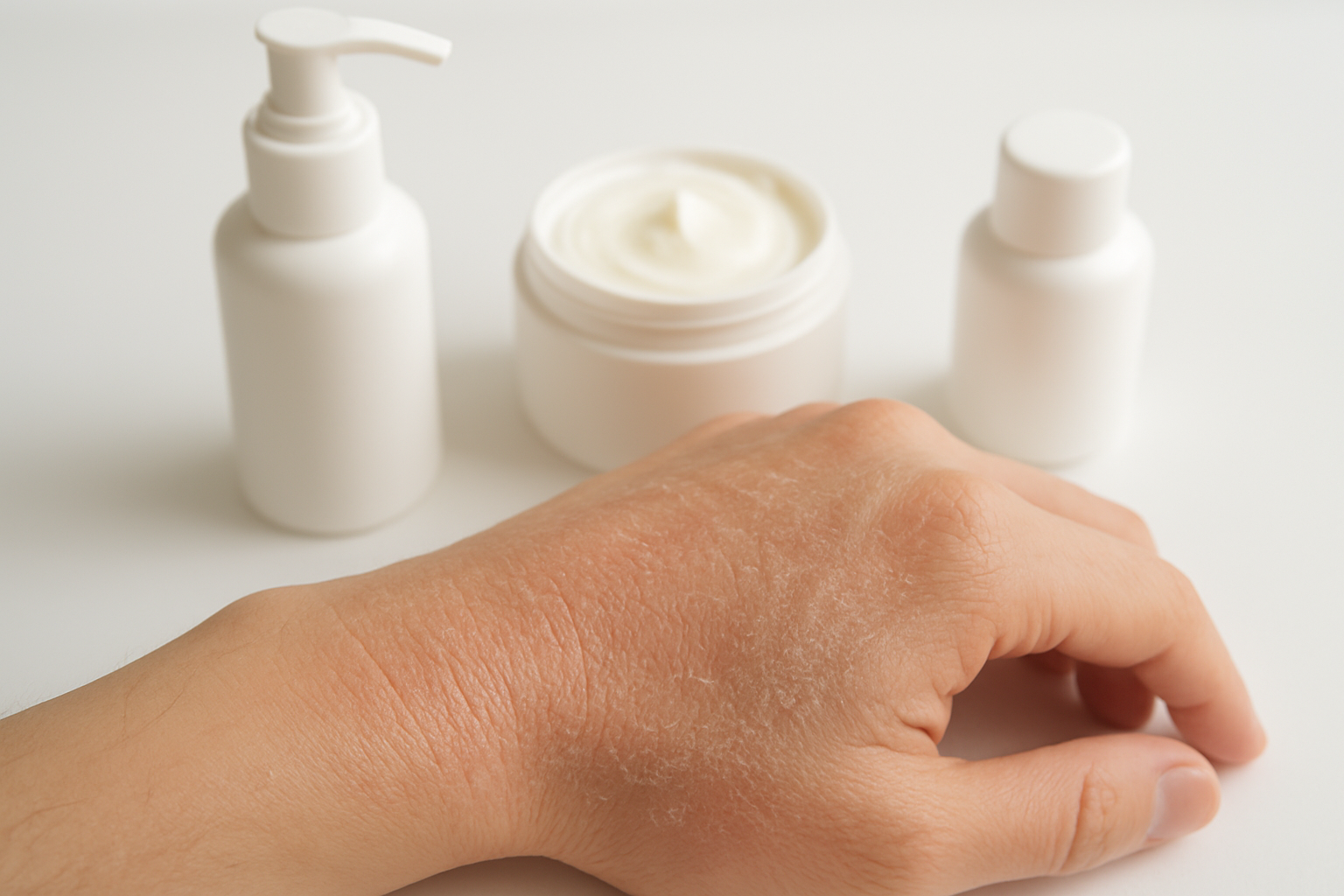
Dry skin reveals itself through several telltale signs that go beyond just feeling tight after washing your face. The most obvious indicator is that uncomfortable, stretched sensation across your cheeks, forehead, and around your eyes.
Your skin might feel rough to the touch, almost like fine sandpaper, especially on areas like your elbows and knees.
Visual cues are equally important to recognize. Flaky patches often appear, particularly around the nose and mouth, while fine lines become more pronounced, especially when you smile or squint.
Your complexion may look dull or ashen, lacking that natural healthy glow. Some people notice their makeup doesn’t apply smoothly or seems to emphasize texture issues they didn’t have before.
More severe dry skin can lead to cracking, particularly around the lips and knuckles. You might experience itching that worsens at night or after hot showers. Red, irritated patches can develop, and your skin may feel sensitive to products that never bothered you before.
The seasonal connection is strong too. Many people notice these symptoms worsen during winter months or in air-conditioned environments.
Your skin might feel comfortable in the morning but progressively tighter throughout the day, signaling that your natural moisture barrier needs extra support.
Discovering the root causes behind moisture loss
Understanding what strips moisture from your skin helps you make smarter choices in your daily routine. Environmental factors play a huge role – low humidity, whether from heating systems in winter or air conditioning in summer, literally pulls moisture from your skin into the dry air around you.
Your genetics determine your baseline oil production. Some people naturally produce less sebum, the skin’s protective oil that helps lock in moisture. Age also factors in significantly. As we get older, our skin produces less oil and loses its ability to retain water effectively.
Daily habits often sabotage skin hydration without you realizing it. Hot, long showers feel amazing but actually strip away your skin’s natural protective oils.
Over-cleansing with harsh soaps or using products with high alcohol content can disrupt your skin barrier. Even seemingly innocent activities like swimming in chlorinated pools or frequent hand washing can contribute to moisture loss.
Medical conditions like eczema, psoriasis, or thyroid disorders can cause persistent dryness. Certain medications, including some acne treatments and antihistamines, list dry skin as a common side effect.
Hormonal changes during pregnancy or menopause can also shift your skin’s moisture levels dramatically.
Weather patterns create additional challenges. Wind, cold temperatures, and UV exposure all compromise your skin’s ability to maintain proper hydration levels.
Learning how dry skin differs from other skin types
Dry skin behaves completely differently from oily or combination skin types, requiring a totally different approach to achieve balance. While oily skin produces excess sebum that can clog pores and create shine, dry skin struggles to produce enough oil to maintain proper hydration levels.
The texture differences are immediately noticeable. Oily skin typically feels soft and supple but may look shiny, especially in the T-zone. Dry skin feels tight and rough, with visible texture issues like flaking or fine lines that appear more pronounced.
| Skin Type | Oil Production | Common Issues | Pore Size | Aging Signs |
|---|---|---|---|---|
| Dry | Low | Flaking, tightness, sensitivity | Small, barely visible | Fine lines appear early |
| Oily | High | Shine, blackheads, acne | Large, visible | Fewer wrinkles initially |
| Combination | Mixed zones | T-zone shine, dry cheeks | Varies by area | Mixed concerns |
Product reactions vary dramatically between skin types. Dry skin craves rich, nourishing ingredients like ceramides and hyaluronic acid, while these same products might feel too heavy for oily skin types.
Conversely, products designed for oily skin – with ingredients like salicylic acid or strong cleansers – can irritate and further dehydrate dry skin.
The aging process also differs. Dry skin tends to show fine lines earlier, particularly around the eyes and mouth, because lack of moisture makes the skin less plump and resilient.
Oily skin may develop fewer wrinkles initially due to natural oil providing some protective benefits, though it faces different challenges like enlarged pores and potential acne scarring.
Essential Morning Skincare Steps for Dry Skin
Your morning routine starts with a cleanser that treats your dry skin like the delicate surface it is. Skip harsh foaming cleansers that strip away your skin’s precious natural oils.
Instead, reach for cream-based or oil-based cleansers that remove overnight buildup while keeping your moisture barrier intact.
Cream cleansers work beautifully for dry skin because they contain emollient ingredients that actually add moisture while they clean. Look for formulas with glycerin, ceramides, or squalane.
Oil cleansers might seem counterintuitive for morning use, but they’re incredibly gentle and effective at maintaining your skin’s natural balance.
Water temperature matters more than you think. Lukewarm water prevents additional moisture loss, while hot water can leave your skin feeling tight and uncomfortable. Pat your face dry with a soft towel instead of rubbing, leaving a bit of dampness to help lock in the products you’ll apply next.
Applying hydrating toner to prep skin for moisture
Think of toner as your skin’s first drink of water each morning. Modern hydrating toners are nothing like the harsh, alcohol-based versions from years past. Today’s formulas are packed with humectants and gentle actives that prep your skin to absorb everything that follows.
Apply toner while your skin is still slightly damp from cleansing. This technique, called “wet skin application,” helps trap moisture between the layers. You can use your hands, a cotton pad, or even spray it directly onto your face – whatever feels most comfortable.
Look for toners containing hyaluronic acid, glycerin, or beta-glucan. These ingredients pull moisture from the environment and hold it against your skin. Some great options include rose water, chamomile, or aloe vera-based toners that soothe while they hydrate.
Selecting potent serums with hyaluronic acid and ceramides
Serums are where you can really target your dry skin concerns with concentrated ingredients. Hyaluronic acid should be your best friend – this powerful humectant can hold up to 1,000 times its weight in water, making it perfect for parched skin.
Apply hyaluronic acid serum to damp skin for maximum effectiveness. When your skin has moisture to work with, the hyaluronic acid can grab onto it and create that plump, hydrated feeling you’re after.
Ceramide serums deserve equal attention in your routine. These lipid molecules help repair and strengthen your skin barrier, which is often compromised in dry skin types. A strong barrier means better moisture retention throughout the day.
| Key Serum Ingredients | Benefits | Best Application Method |
|---|---|---|
| Hyaluronic Acid | Intense hydration, plumping | On damp skin, morning and night |
| Ceramides | Barrier repair, long-term moisture | After toner, before moisturizer |
| Niacinamide | Reduces water loss, strengthens skin | Can layer with other serums |
Locking in moisture with rich, nourishing day creams
Your moisturizer is the final seal that keeps everything you’ve applied from evaporating into thin air. Dry skin needs rich, occlusive ingredients that create a protective layer on your skin’s surface.
Look for day creams containing shea butter, petrolatum, or dimethicone – these ingredients form a barrier that prevents transepidermal water loss.
Don’t worry about these feeling heavy; properly formulated day moisturizers absorb well while still providing lasting protection.
Peptides in your day cream can offer additional benefits beyond moisture. They help support your skin’s natural repair processes and can improve texture over time.
Choose a moisturizer with SPF to simplify your routine, but make sure it offers at least SPF 30 for adequate protection.
Apply your moisturizer in upward, circular motions, paying extra attention to areas that tend to get especially dry like around your nose and the corners of your mouth. Give it a few minutes to absorb before applying makeup or heading out for the day.
Nighttime Routine to Repair and Restore Dry Skin
Using Oil-Based Cleansers to Remove Makeup Without Stripping
Your nighttime routine begins with gentle yet effective cleansing that won’t leave your already dry skin feeling tight and uncomfortable. Oil-based cleansers work like a magnet for makeup, sunscreen, and daily grime while actually nourishing your skin barrier.
Unlike harsh foaming cleansers that can strip away natural oils, these cleansers dissolve stubborn makeup through the “like dissolves like” principle.
The best oil cleansers for dry skin contain nourishing ingredients like jojoba oil, sweet almond oil, or squalane. These ingredients not only remove makeup but also replenish moisture as they work.
Apply the cleanser to dry skin, massage gently for 30-60 seconds, then add a small amount of warm water to emulsify before rinsing.
Top oil cleanser ingredients for dry skin:
-
Jojoba oil: Mimics skin’s natural sebum
-
Sweet almond oil: Rich in vitamin E and fatty acids
-
Squalane: Lightweight yet deeply moisturizing
-
Rosehip oil: Contains beneficial vitamins A and C
Follow up with a gentle cream cleanser if needed, but many people with dry skin find that a good oil cleanser alone does the job perfectly.
Incorporating Overnight Treatments and Sleeping Masks
While you sleep, your skin works overtime to repair and regenerate. This makes nighttime the perfect opportunity to give your dry skin extra TLC with specialized treatments that would be too heavy or active for daytime use.
Sleeping masks are game-changers for dry skin types. Unlike traditional masks that you rinse off, these stay on all night, creating a protective barrier that locks in moisture and active ingredients.
Look for sleeping masks with hyaluronic acid, ceramides, or peptides that work to restore your skin’s moisture barrier while you rest.
Weekly overnight treatment schedule:
-
Monday & Thursday: Hydrating sleeping mask
-
Tuesday & Friday: Niacinamide serum under night cream
-
Wednesday: Gentle retinol treatment (if tolerated)
-
Weekend: Extra nourishing oil or balm treatment
For those with severely dry skin, consider applying a thin layer of facial oil before your sleeping mask. This creates multiple layers of hydration and helps prevent transepidermal water loss throughout the night.
Applying Heavier Night Creams for Deep Hydration
Nighttime is when you can embrace richer, more occlusive moisturizers without worrying about looking greasy or interfering with makeup application.
Heavy night creams contain larger molecular weight ingredients that create a protective seal over your skin, preventing moisture loss while delivering intensive hydration.
The best night creams for dry skin contain a combination of humectants, emollients, and occlusives. Humectants like glycerin and hyaluronic acid draw moisture to the skin, emollients like shea butter smooth and soften, while occlusives like petrolatum or dimethicone lock everything in place.
Key night cream ingredients to look for:
| Ingredient Type | Examples | Benefits |
|---|---|---|
| Humectants | Hyaluronic acid, Glycerin | Draw moisture to skin |
| Emollients | Shea butter, Ceramides | Smooth and soften |
| Occlusives | Petrolatum, Dimethicone | Lock in moisture |
Apply your night cream while your skin is still slightly damp from cleansing or applying a hydrating toner. This helps trap additional moisture and makes the cream more effective.
Don’t forget your neck and décolletage – these areas are often neglected but show signs of dryness just as readily as your face.
For extra dry patches, you can even apply a small amount of facial oil over your night cream as a final step. This technique, called “slugging,” has gained popularity for its ability to dramatically improve skin hydration overnight.
Key Ingredients That Transform Dry Skin
Hyaluronic Acid for Intense Moisture Retention
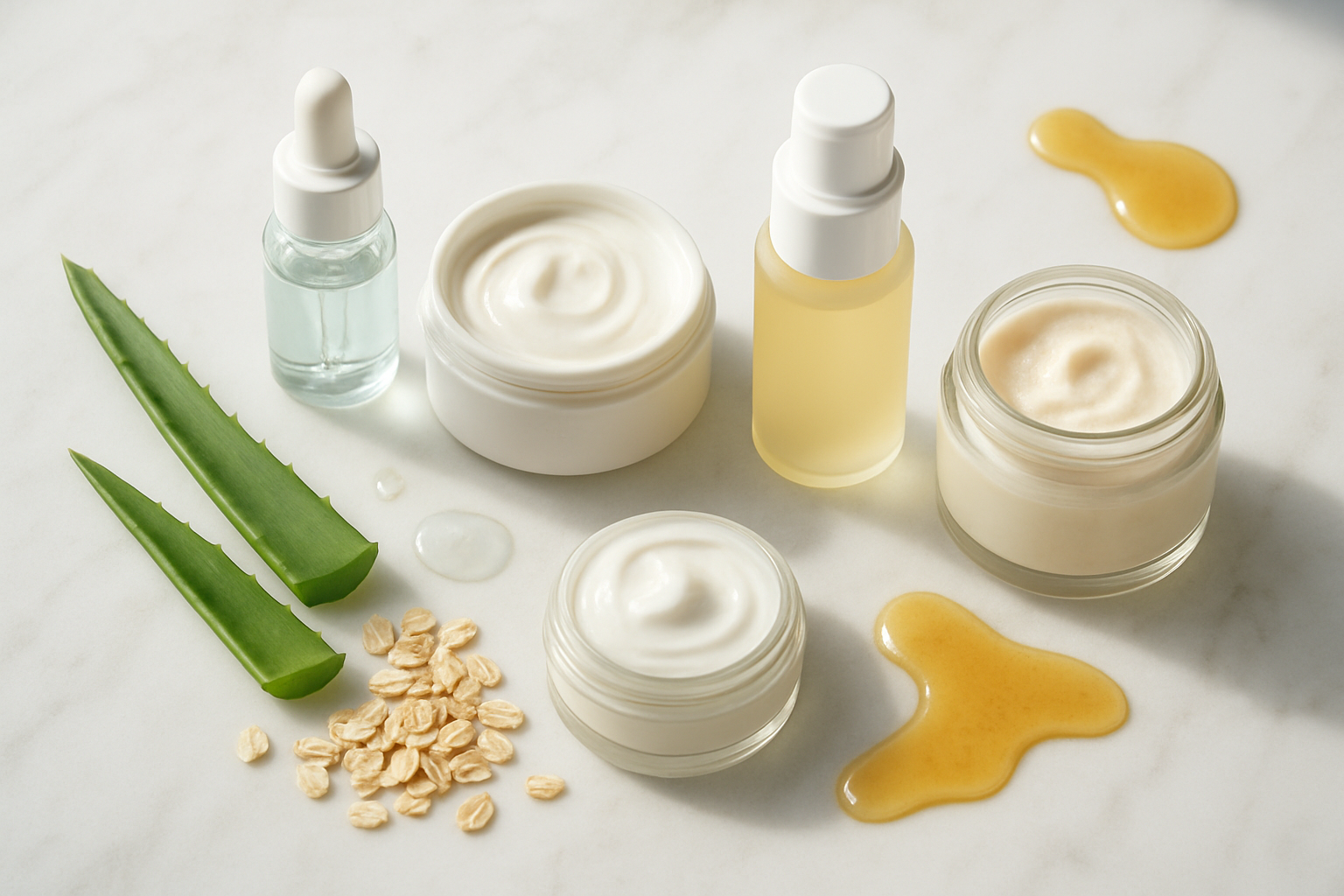
Hyaluronic acid stands out as the ultimate hydration hero for dry skin. This incredible molecule can hold up to 1,000 times its weight in water, making it perfect for parched skin that desperately needs moisture.
When you apply hyaluronic acid, it acts like a moisture magnet, drawing water from the environment and deeper skin layers to the surface.
The key to getting the most from hyaluronic acid is applying it to slightly damp skin. This gives the molecule water to grab onto and lock in place.
Look for serums with different molecular weights – smaller molecules penetrate deeper while larger ones create a moisture barrier on the surface.
| Hyaluronic Acid Benefits | How It Works |
|---|---|
| Instant hydration boost | Attracts moisture from air and deeper skin layers |
| Plumps fine lines | Fills in dehydration lines with moisture |
| Non-comedogenic | Won’t clog pores or cause breakouts |
Ceramides to Strengthen the Skin Barrier
Your skin’s protective barrier gets compromised when you have dry skin, and ceramides are the repair crew your skin needs. These naturally occurring lipids make up about 50% of your skin’s outer layer, but dry skin often lacks sufficient amounts.
Ceramides work like cement between skin cells, filling in gaps and preventing moisture loss. When your barrier is strong, irritants stay out and hydration stays in. Products with ceramides 1, 3, and 6-II are particularly effective for dry skin repair.
Benefits of ceramides include:
-
Reduced transepidermal water loss
-
Protection against environmental damage
-
Improved skin texture and smoothness
-
Enhanced tolerance to other skincare ingredients
Glycerin and Squalane for Long-Lasting Hydration
Glycerin and squalane form the perfect hydration duo for dry skin. Glycerin is a humectant that pulls moisture from the air, while squalane is an emollient that softens and smooths skin texture.
Glycerin works best in humid environments, but can sometimes feel sticky. Squalane, derived from olives or sugarcane, mimics your skin’s natural oils without feeling heavy or greasy. This lightweight oil absorbs quickly and provides lasting moisture without clogging pores.
Why this combination works:
-
Glycerin provides immediate hydration
-
Squalane creates a protective moisture seal
-
Both ingredients are gentle and suitable for sensitive skin
-
They enhance the absorption of other skincare products
Niacinamide to Reduce Irritation and Improve Texture
Niacinamide, also known as vitamin B3, is a multitasking ingredient that tackles several dry skin concerns at once. This gentle powerhouse reduces inflammation, regulates oil production, and strengthens the skin barrier.
For dry skin, niacinamide’s anti-inflammatory properties help calm irritation and redness that often accompanies dryness. It also boosts ceramide production, helping your skin rebuild its protective barrier naturally. Start with 5% concentration and gradually work up to 10% as your skin adjusts.
Niacinamide benefits for dry skin:
-
Reduces redness and sensitivity
-
Improves skin texture and smoothness
-
Minimizes the appearance of pores
-
Enhances the effectiveness of moisturizers
-
Compatible with other active ingredients
Common Mistakes That Worsen Dry Skin

Over-cleansing and using harsh, drying products
Many people believe that squeaky-clean skin equals healthy skin, but this couldn’t be further from the truth when dealing with dry skin. Over-washing your face strips away your skin’s natural protective barrier, leaving it even more parched and vulnerable.
Cleansing twice daily is typically enough – morning and evening – with a gentle, cream-based or oil-based cleanser.
The biggest culprits are foaming cleansers and products containing sulfates, which create that satisfying lather but devastate dry skin. These ingredients are so effective at removing oil that they take away both the dirt and your skin’s natural moisture.
Alcohol-based toners and astringents are equally damaging, creating an immediate tight feeling that many mistake for cleanliness but is actually your skin crying out for hydration.
Products to avoid for dry skin:
-
Foaming face washes with sulfates
-
Bar soaps on facial skin
-
Alcohol-based toners
-
Clay masks (use sparingly, if at all)
-
Scrubs with rough particles
Instead, look for cleansers labeled as “hydrating,” “creamy,” or “for dry skin.” These typically contain moisturizing ingredients like ceramides, glycerin, or hyaluronic acid that clean without compromising your skin’s moisture barrier.
Skipping sunscreen and exposing skin to environmental damage
Dry skin already has a compromised barrier function, making it more susceptible to environmental damage from UV rays, pollution, and harsh weather conditions. When you skip sunscreen, you’re essentially fast-tracking the aging process and making your dryness worse.
UV exposure breaks down collagen and elastin – the proteins that keep your skin plump and hydrated. This damage shows up as fine lines, rough texture, and increased dryness over time. Even on cloudy days, up to 80% of UV rays can penetrate through clouds and windows.
Wind, cold air, and indoor heating systems also wreak havoc on dry skin. These environmental factors pull moisture from your skin faster than it can be replaced naturally.
Air conditioning and heating systems are particularly brutal because they reduce humidity levels, creating a moisture-sucking environment.
Daily protection strategies:
-
Apply broad-spectrum SPF 30 or higher every morning
-
Reapply sunscreen every two hours when outdoors
-
Use a humidifier in your bedroom during dry seasons
-
Wear protective clothing in harsh weather
-
Create a barrier with a rich moisturizer before going outside
Hot water habits that strip away natural moisture
That steamy, hot shower might feel amazing after a long day, but it’s one of the worst things you can do to dry skin. Hot water literally melts away your skin’s natural oils, leaving it tight, flaky, and irritated. The higher the temperature, the more aggressive this process becomes.
Your skin produces sebum and other lipids that form a protective layer called the acid mantle. This barrier keeps moisture in and irritants out.
When you expose your skin to hot water for extended periods, you’re essentially washing away this crucial protection faster than your body can replace it.
The damage doesn’t stop when you turn off the water. Hot showers also cause blood vessels to dilate, leading to increased water loss through the skin as it cools down. This double hit leaves your skin feeling parched within minutes of drying off.
Better bathing habits for dry skin:
-
Keep water temperature lukewarm (not hot)
-
Limit showers to 5-10 minutes maximum
-
Use a gentle, fragrance-free body wash
-
Pat skin dry instead of rubbing vigorously
-
Apply moisturizer to damp skin within 3 minutes of bathing
-
Consider shower filters to reduce harsh minerals in hard water
The key is breaking these ingrained habits and replacing them with gentler alternatives that work with your skin’s natural processes rather than against them.
Having the right skincare routine can completely change how your dry skin looks and feels. The key is being gentle with your skin while giving it exactly what it needs – hydration, nourishment, and protection.
Remember to stick with mild cleansers, layer on that moisture morning and night, and never skip sunscreen during the day.Your nighttime routine is just as important, so don’t forget those repair-focused products that work while you sleep.
Start building your routine slowly and pay attention to how your skin responds. Look for ingredients like hyaluronic acid, ceramides, and niacinamide that actually help your skin barrier get stronger over time.
Most importantly, stop doing things that make your dry skin worse – like over-washing, skipping moisturizer, or using harsh products that strip away your skin’s natural oils.
Give your new routine at least 4-6 weeks to show real results, and your skin will thank you for the extra care and attention.