Getting laser treatment can transform your skin, but the right skincare routine before and after laser sessions makes all the difference between amazing results and disappointing outcomes.
This guide is for anyone considering or scheduled for laser treatments who wants to protect their investment and achieve the best possible results.
Proper preparation and aftercare aren’t just recommendations—they’re essential for safe healing and optimal results. Many people skip these steps and end up with complications, slower healing, or less dramatic improvements than they could have achieved.
We’ll walk you through the essential pre-laser skincare preparation steps that set your skin up for success, including which products to completely avoid before your session.
You’ll also learn the immediate post-laser skin recovery protocol and get a detailed week-by-week timeline for caring for your skin as it heals and reveals your new, improved complexion.
Understanding Your Skin Type for Laser Treatment Success
Identifying Sensitive Versus Resilient Skin Characteristics
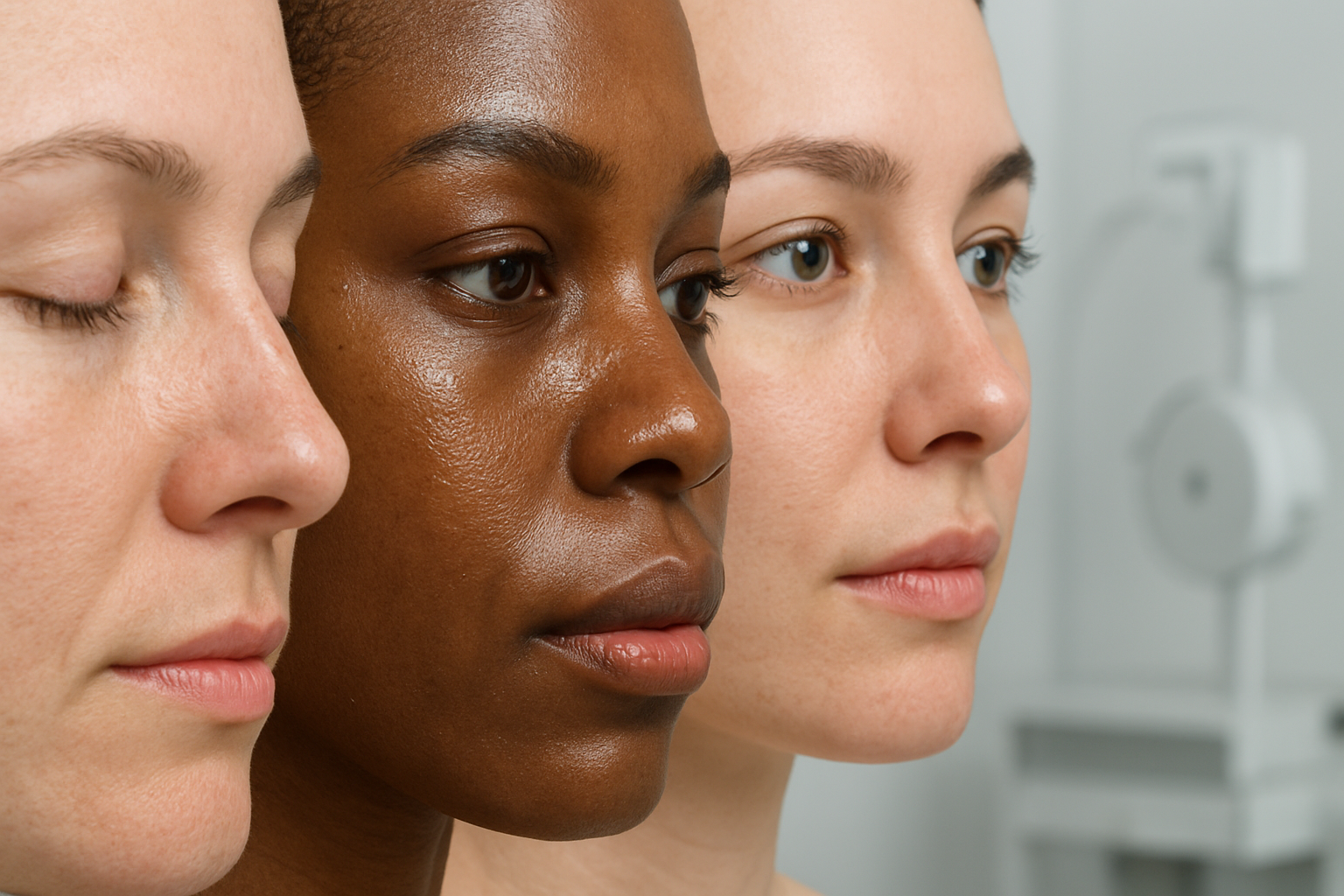
Sensitive skin typically reacts quickly to new products, weather changes, and treatments with redness, burning, or stinging sensations. Before laser treatment, these skin types need extra attention and careful preparation.
You’ll know you have sensitive skin if you regularly experience irritation from skincare products, notice redness that takes hours to fade, or feel discomfort from seemingly mild ingredients.
Resilient skin, on the other hand, tolerates various products and treatments without immediate adverse reactions. This skin type bounces back faster from procedures and typically handles standard pre and post-laser protocols without modification.
However, even resilient skin requires proper preparation to achieve optimal laser results.
Key indicators help distinguish between these types:
-
Sensitive skin signs: Frequent flushing, visible capillaries, reaction to fragrances or alcohol-based products
-
Resilient skin signs: Rarely experiences irritation, heals quickly from minor cuts or blemishes, tolerates active ingredients well
Understanding your baseline sensitivity helps your practitioner customize laser settings and recommend appropriate pre-treatment products. Patch testing becomes especially important for sensitive skin types, while resilient skin may tolerate more aggressive preparation protocols.
Recognizing Acne-Prone and Oily Skin Considerations
Acne-prone and oily skin presents unique challenges and opportunities for laser treatment success. The excess sebum production that characterizes oily skin can actually provide some natural protection during laser procedures, but active breakouts require special handling.
Active acne lesions should be treated and stabilized before most laser procedures. Inflamed pustules or cystic acne can worsen with laser heat, potentially causing scarring or post-inflammatory hyperpigmentation.
Your skincare routine should focus on gentle, non-comedogenic products that won’t clog pores while preparing skin for treatment.
Pre-treatment considerations for acne-prone skin include:
-
Establishing consistent acne management 4-6 weeks before treatment
-
Avoiding harsh scrubs or over-drying products that might compromise the skin barrier
-
Using oil-free, fragrance-free moisturizers to maintain hydration without triggering breakouts
-
Implementing gentle chemical exfoliation with salicylic acid or glycolic acid as recommended
Oily skin often tolerates laser treatments well due to its thicker texture and natural moisture content. However, post-treatment care must balance oil control with proper healing support to prevent complications.
Assessing Dry and Mature Skin Requirements
Dry and mature skin demands intensive hydration and barrier repair before laser treatments. These skin types lack sufficient natural oils and may have compromised barrier function, making them more vulnerable to laser-induced irritation and slower healing.
Mature skin often shows signs of thinning, decreased elasticity, and reduced cell turnover. These characteristics mean laser treatments can be highly beneficial for stimulating collagen production and improving texture, but preparation becomes critical for safe, effective results.
Essential preparation steps include:
-
Intensive moisturizing protocol: Start using rich, ceramide-based moisturizers 2-3 weeks before treatment
-
Barrier repair: Incorporate hyaluronic acid serums and niacinamide to strengthen skin function
-
Gentle exfoliation: Use mild chemical exfoliants to remove dead skin cells without causing irritation
-
Sun protection intensification: Mature skin shows sun damage more readily and requires diligent SPF use
Post-treatment recovery for dry and mature skin typically takes longer, requiring extended use of healing-focused products and avoiding active ingredients for extended periods.
For More Information Contact Us : 91 9538666485
Determining Combination Skin Treatment Approaches
Combination skin presents the most complex challenge for laser treatment planning, as different facial zones require tailored approaches. The T-zone (forehead, nose, chin) typically exhibits oily characteristics, while cheek areas tend toward normal or dry skin.
This variation means your pre-treatment routine must address multiple skin needs simultaneously. You might need lighter, oil-controlling products for your T-zone while using richer formulations for drier areas.
Many people with combination skin benefit from zone-specific product application rather than using the same products across their entire face.
Strategic preparation involves:
| Zone | Skin Type | Recommended Products | Special Considerations |
|---|---|---|---|
| T-Zone | Oily | Gel cleansers, salicylic acid | Monitor for over-drying |
| Cheeks | Normal/Dry | Cream cleansers, hyaluronic acid | Extra hydration needed |
| Eye Area | Delicate | Gentle, fragrance-free formulas | Avoid active ingredients |
Laser practitioners often adjust settings based on skin thickness and oil content in different facial zones. Your combination skin type requires clear communication with your provider about how each area typically behaves and any sensitivities you’ve noticed in specific zones.
Post-treatment care for combination skin means monitoring different areas carefully, as healing rates and product tolerance may vary significantly across your face.
Essential Pre-Laser Skincare Preparation Steps
Discontinuing retinoids and exfoliating acids safely
Getting your skin ready for laser treatment means hitting the pause button on your usual active ingredients. Retinoids and exfoliating acids like AHAs, BHAs, and benzoyl peroxide need to exit your routine at least 1-2 weeks before your appointment.
These powerful ingredients thin your skin’s protective barrier, making it more vulnerable to laser energy and increasing your risk of burns, scarring, or hyperpigmentation.
Timeline for discontinuation:
-
Retinoids (tretinoin, adapalene, retinol): Stop 7-14 days prior
-
AHAs (glycolic, lactic acid): Stop 5-7 days prior
-
BHAs (salicylic acid): Stop 5-7 days prior
-
Benzoyl peroxide: Stop 3-5 days prior
Your skin might feel a bit congested or look duller during this break, but resist the urge to sneak in one last treatment. Think of this pause as giving your skin a chance to rebuild its defenses before the controlled trauma of laser treatment.
Building your skin barrier with gentle hydration
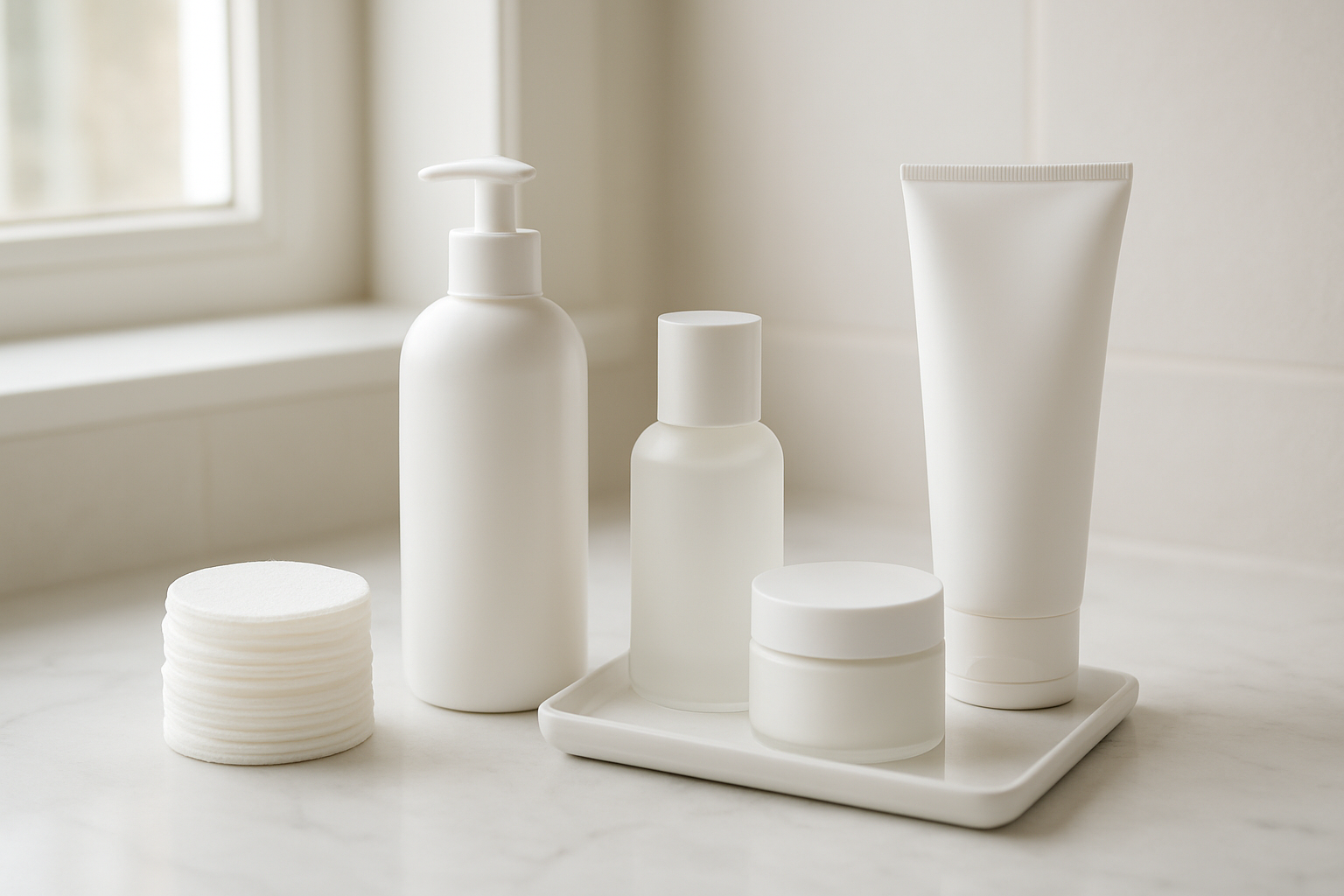
Strong, well-hydrated skin handles laser treatments better and heals faster. Focus on ingredients that strengthen your skin barrier without causing irritation. Ceramides, hyaluronic acid, and niacinamide become your best friends during this prep phase.
Barrier-building routine:
-
Morning: Gentle cleanser + hydrating toner + ceramide moisturizer + SPF
-
Evening: Gentle cleanser + hyaluronic acid serum + barrier repair cream
Skip anything with fragrance, essential oils, or alcohol-based toners that could sensitize your skin. Your goal is boring, predictable skincare that keeps your skin calm and plump. Well-hydrated skin responds more predictably to laser energy and experiences less downtime.
Implementing sun protection protocols
Sun exposure before laser treatment is like showing up to a sunburn convention already crispy. Even minimal UV exposure can lead to uneven pigmentation, poor healing, and disappointing results. Your pre-laser sun protection needs to be bulletproof.
Sun protection essentials:
-
SPF 30 minimum (SPF 50 preferred) applied every 2 hours
-
Physical sunscreens with zinc oxide or titanium dioxide work best
-
Wide-brimmed hats when outdoors
-
Seeking shade during peak UV hours (10am-4pm)
Avoid tanning beds, self-tanners, and bronzing products for at least 2-3 weeks before treatment. Your practitioner needs to see your true skin tone to calibrate the laser settings properly.
Even that “subtle glow” from your favorite tinted moisturizer could interfere with optimal treatment parameters.
Products to Avoid Before Laser Sessions
Chemical Exfoliants That Increase Photosensitivity
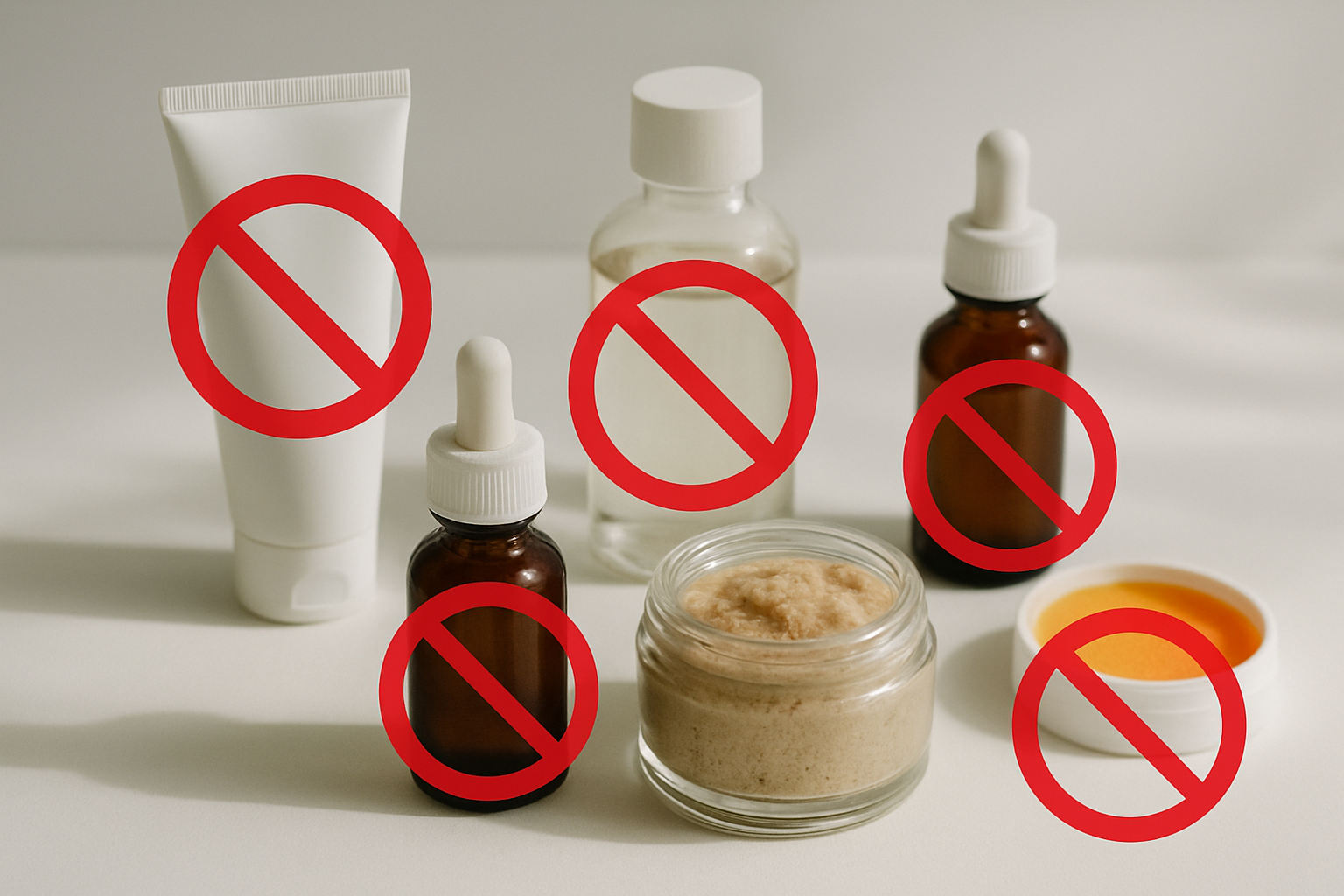
Alpha hydroxy acids (AHAs), beta hydroxy acids (BHAs), and polyhydroxy acids (PHAs) make your skin incredibly vulnerable to laser damage.
These ingredients thin the outer layer of your skin, which normally acts as a protective barrier. Glycolic acid, salicylic acid, lactic acid, and mandelic acid should be completely stopped at least one week before your laser appointment.
Retinoids and retinol products are particularly problematic. These vitamin A derivatives accelerate cell turnover, leaving fresh, sensitive cells exposed on the surface.
Even over-the-counter retinol can cause severe reactions when combined with laser energy. Prescription tretinoin, adapalene, and tazarotene require a longer break period of 2-3 weeks.
The photosensitizing effects can persist longer than you might expect. Your skin remains extra sensitive to light and heat for days after using these products, even if you don’t see visible irritation.
Fragranced Products That May Cause Irritation
Synthetic fragrances and essential oils become major irritants when your skin is about to undergo laser treatment. These ingredients can trigger inflammatory responses that interfere with the laser’s effectiveness and increase your risk of complications.
Perfumed body lotions, scented cleansers, and aromatic face masks should be eliminated from your routine. Even “lightly scented” products contain enough fragrance compounds to cause problems.
Natural doesn’t mean safer – essential oils like lavender, tea tree, and citrus oils are particularly reactive.
Deodorants, hair products, and laundry detergents can also transfer fragrance compounds to your treatment area through contact or airborne particles. Switch to fragrance-free alternatives for everything that might touch or come near the laser treatment zone.
Active Ingredients That Interfere With Laser Effectiveness
Certain skincare actives can block laser penetration or create unpredictable reactions. Vitamin C serums, particularly L-ascorbic acid formulations, can oxidize under laser heat and cause discoloration.
While generally beneficial for skin, vitamin C should be paused 48-72 hours before treatment.
Niacinamide in high concentrations (above 10%) can sometimes interfere with laser absorption patterns. Most practitioners recommend stopping concentrated niacinamide serums 3-4 days prior to treatment, though lower concentrations in moisturizers are typically acceptable.
Hydroquinone and other skin-lightening agents require special attention. These ingredients can cause unexpected pigmentation changes when exposed to laser energy. Stop all lightening products at least one week before treatment, and discuss any skin-lightening history with your practitioner.
Benzoyl peroxide creates ongoing photosensitivity and can cause severe irritation when combined with laser treatments. This acne-fighting ingredient should be discontinued 5-7 days before your session.
Makeup and Skincare Timing Restrictions
Your skin needs to be completely clean and product-free on treatment day. Remove all makeup, moisturizers, and skincare products at least 4-6 hours before your appointment.
This includes seemingly innocent products like lip balm, which can interfere with laser settings if treatment extends to the lip area.
Sunscreen presents a particular challenge. While you absolutely need sun protection in the weeks leading up to treatment, it must be thoroughly removed before your session.
Chemical sunscreens can react unpredictably under laser heat, while physical sunscreens containing zinc oxide or titanium dioxide can reflect laser energy and reduce treatment effectiveness.
Plan your pre-treatment cleansing routine carefully. Use a gentle, fragrance-free cleanser and avoid any products with active ingredients for at least 24 hours before treatment.
Your practitioner may provide specific cleansing instructions, but gentle soap and water is usually the safest approach.
Don’t apply any new products in the week leading up to treatment. Even if a product seems gentle, introducing something new increases the risk of unexpected reactions during your laser session.
Immediate Post-Laser Skin Recovery Protocol
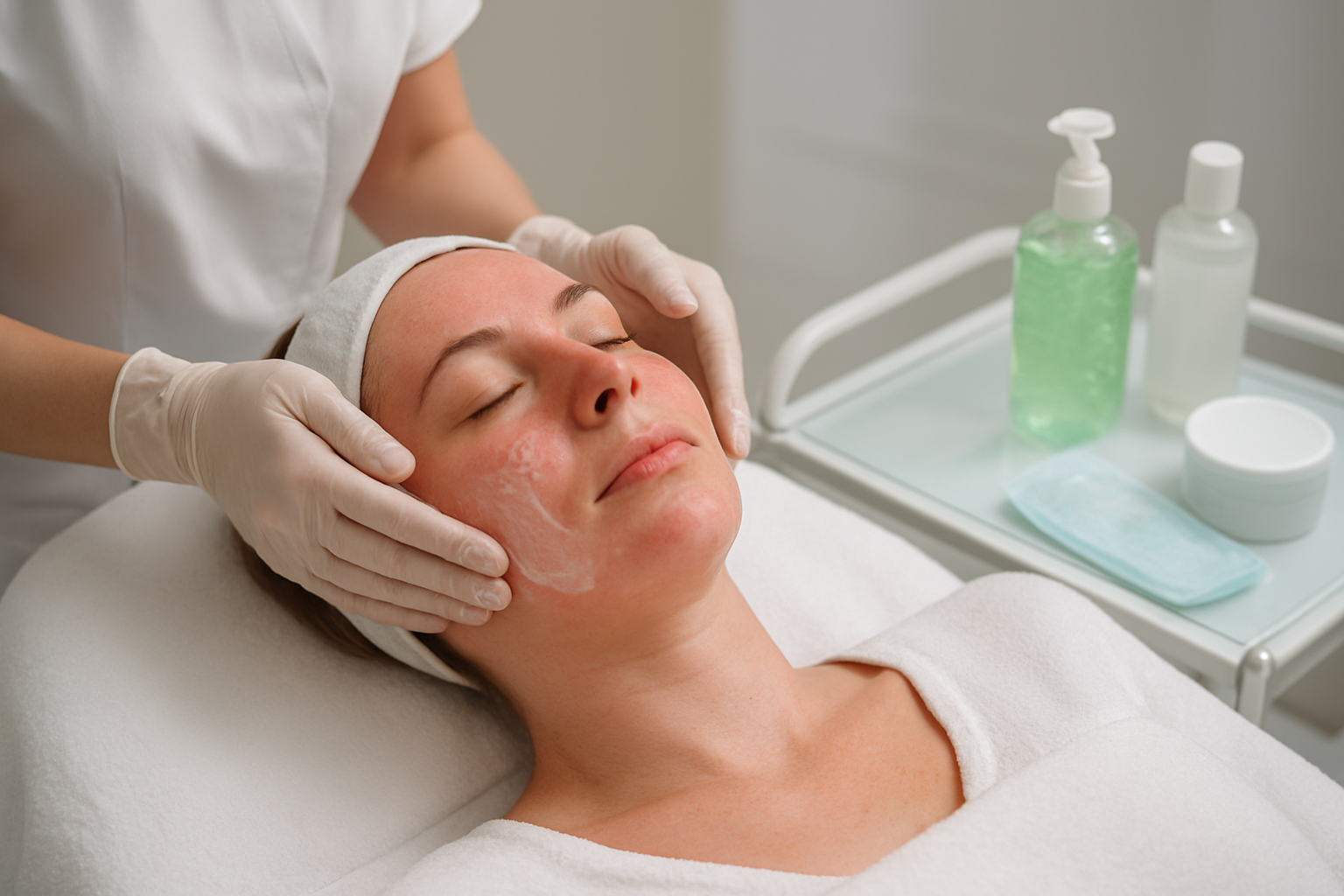
Gentle cleansing techniques for treated skin
Your skin feels raw and sensitive after laser treatment, so ditch your regular cleansing routine for now. Skip the foaming cleansers, exfoliating scrubs, and anything with active ingredients like salicylic acid or retinol.
Instead, reach for a gentle, fragrance-free cleanser that won’t strip your skin’s natural protective barrier.
Use lukewarm water—never hot—and apply the cleanser with clean fingertips using light, circular motions. Don’t rub or scrub; think of it as gently massaging away surface debris.
Many dermatologists recommend cream-based or oil-based cleansers during the immediate recovery period because they provide moisture while cleaning.
Pat your face dry with a clean, soft towel. Don’t drag the towel across your skin or apply pressure. The patting motion helps preserve the delicate healing tissue underneath.
Some people find that letting their skin air-dry for a minute before applying moisturizer works even better.
Consider double-cleansing if you wear sunscreen or makeup during recovery. Start with a gentle oil cleanser to remove these products, then follow with your mild water-based cleanser. This approach ensures thorough cleaning without over-manipulating your sensitive skin.
Soothing inflammation with cooling treatments
Your skin is likely red, swollen, and feels like you have a moderate sunburn. Cool compresses become your best friend during this phase.
Soak clean washcloths in cool water and gently place them on treated areas for 10-15 minutes at a time. Repeat this several times throughout the day, especially when discomfort peaks.
Ice should never touch your skin directly, but you can wrap ice packs in thin towels for short 5-minute sessions. Some patients swear by keeping their moisturizer in the refrigerator—the cool temperature provides instant relief when applied.
Aloe vera gel straight from the plant or a pure, preservative-free version can work wonders for inflammation. Look for products with minimal ingredients; your skin doesn’t need extra chemicals right now. Apply a thin layer and let it absorb completely before adding other products.
Hydrocortisone cream might be recommended by your practitioner for severe inflammation, but don’t use it without their approval. Some laser treatments react poorly to topical steroids, so always check first.
Protecting compromised skin barrier function
Your skin’s protective barrier took a serious hit during laser treatment, leaving it vulnerable to bacteria, irritants, and moisture loss. Rebuilding this barrier becomes your top priority for the next several days.
Heavy, occlusive moisturizers work best during this healing phase. Look for products containing ceramides, hyaluronic acid, or petroleum jelly.
These ingredients help lock in moisture and create a protective seal over your healing skin. Apply moisturizer while your skin is still slightly damp to trap extra hydration.
Avoid products with fragrances, essential oils, alcohol, or preservatives like parabens during recovery. Even ingredients you normally tolerate might cause reactions when your barrier is compromised. Stick to the simplest formulations possible.
Sleeping with a humidifier in your room helps prevent overnight moisture loss. Your skin does most of its repair work while you sleep, so creating an optimal environment supports the healing process.
For More Information Contact Us : 91 9538666485
Sun protection becomes absolutely critical since your treated skin has zero natural defense against UV rays. Use a broad-spectrum SPF 30+ sunscreen every single day, even if you’re staying indoors.
Physical sunscreens with zinc oxide or titanium dioxide are gentler than chemical versions during recovery.
Week-by-Week Post-Laser Skincare Timeline
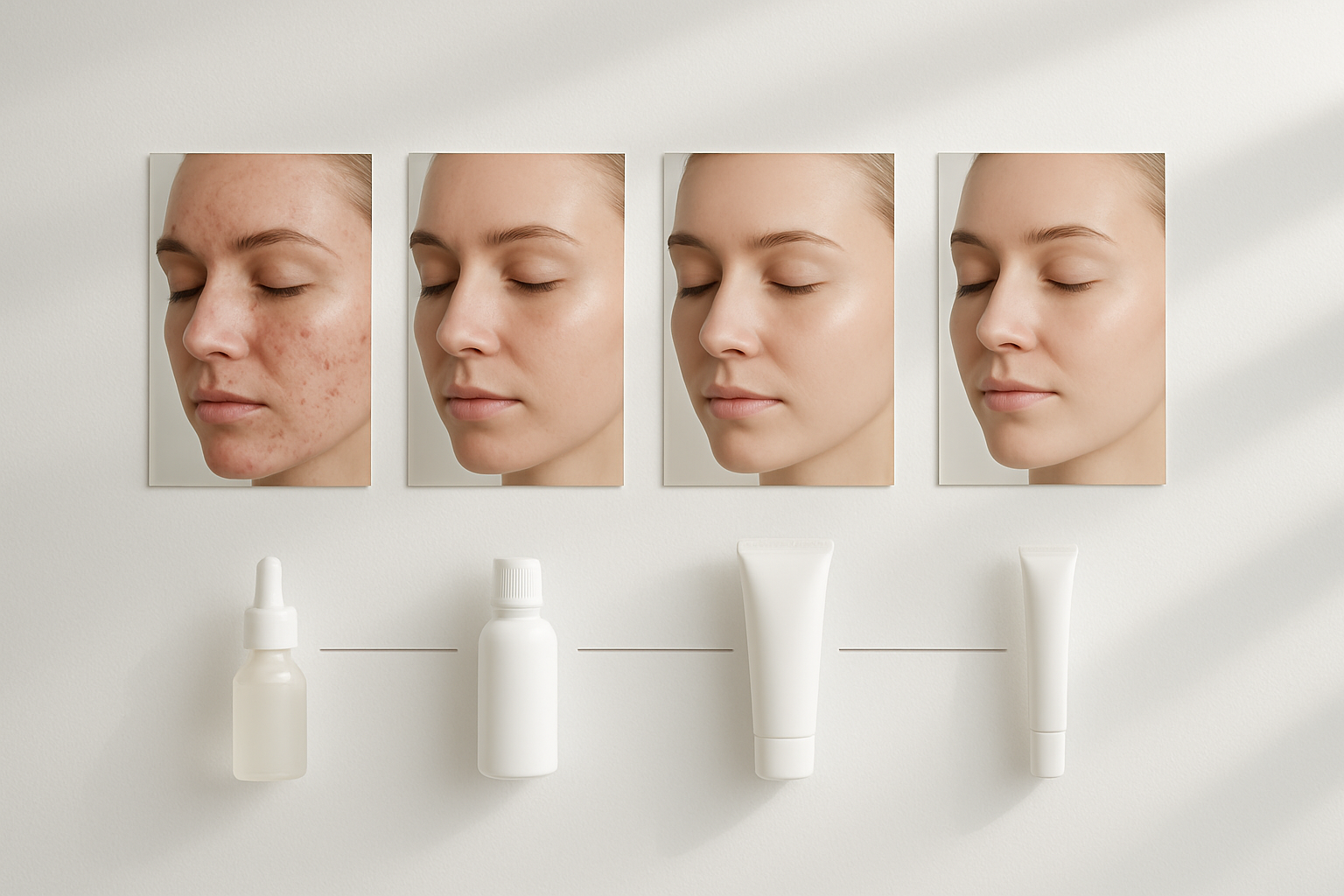
Days 1-3 Immediate Healing Support Routine
Your skin is extremely vulnerable right after laser treatment, and these first three days are critical for proper healing. Think of your skin like a fresh wound that needs gentle, protective care to recover properly.
Start with the gentlest cleanser possible – a fragrance-free, sulfate-free cream or gel cleanser applied with soft fingertips. Avoid any scrubbing motions or washcloths that could irritate the treated area. Pat your skin dry with a clean, soft towel rather than rubbing.
Apply a thick layer of healing ointment or barrier cream recommended by your practitioner. Products containing ingredients like petrolatum, ceramides, or hyaluronic acid work best during this phase. Reapply this protective layer 3-4 times daily to keep the skin constantly moisturized and protected.
Essential products for days 1-3:
-
Gentle, fragrance-free cleanser
-
Healing ointment or thick moisturizer
-
Broad-spectrum SPF 30+ sunscreen
-
Cool compresses for swelling
Skip all active ingredients including retinoids, acids, vitamin C, and exfoliants. Your skin cannot handle any additional stimulation right now. Also avoid makeup if possible, but if you must wear it, choose mineral-based products that won’t clog pores or irritate healing skin.
Week 1-2 Gradual Product Reintroduction
During the second week, your skin begins the repair process, but it’s still delicate. This is when you can slowly start adding back some of your regular products, but patience is key.
Continue using your gentle cleanser, but you can now switch from thick ointments to a lighter, hydrating moisturizer. Look for products with niacinamide, which helps calm inflammation and supports skin barrier repair. You might notice some peeling or flaking – this is completely normal and part of the healing process.
Week 1-2 routine schedule:
-
Morning: Gentle cleanser, hydrating serum, moisturizer, sunscreen
-
Evening: Gentle cleanser, repair-focused moisturizer
-
Throughout day: Reapply sunscreen every 2 hours
Start introducing antioxidants like vitamin E or gentle plant extracts, but avoid vitamin C serums until week three. If your skin feels tight or uncomfortable, increase your moisturizing frequency rather than adding new products.
Watch for signs that you’re moving too fast – increased redness, burning sensations, or prolonged irritation mean you should step back to your immediate post-treatment routine for a few more days.
Week 3-4 Returning to Active Ingredients
By week three, your skin has typically completed the initial healing phase and can handle more active ingredients. However, this doesn’t mean jumping back to your full pre-treatment routine immediately.
Start with the mildest active ingredients first. Vitamin C serums can be reintroduced, but begin with lower concentrations (10-15%) and use them every other day initially. Your skin’s tolerance may be different than before treatment, so pay attention to how it responds.
Reintroduction order for active ingredients:
-
Week 3: Low-concentration vitamin C, gentle BHA (2-3 times per week)
-
Week 4: Retinol or retinoids (start once weekly)
-
Week 5+: AHA acids, higher concentration actives
Never introduce multiple active ingredients simultaneously. Add one new product every 3-4 days and monitor your skin’s response. If you experience irritation, immediately stop the new product and give your skin a few days to recover before trying again.
Your skin may be more sensitive to acids and retinoids than before treatment, so consider using lower concentrations than your pre-laser routine. Many people find they need to permanently adjust their active ingredient usage after laser treatments.
Long-term Maintenance Skincare Adjustments
Laser treatments often permanently change how your skin responds to products and environmental factors. Building a sustainable long-term routine means recognizing these changes and adapting accordingly.
Your skin barrier may remain more sensitive for months after treatment. Many people find they need to use gentler formulations permanently or space out active ingredients more than they did before. This isn’t a setback – it’s your skin communicating its new needs.
Long-term adjustments to consider:
-
Increased sun protection: Your skin will be more photosensitive permanently
-
Enhanced hydration: Focus on barrier-supporting ingredients like ceramides and hyaluronic acid
-
Modified active ingredient schedule: You might need to use retinoids or acids less frequently
-
Seasonal adjustments: Your skin may be more reactive during weather changes
Create a flexible routine that allows for modifications based on how your skin feels day to day. Keep a simple, gentle backup routine for times when your skin feels more sensitive than usual.
For More Information Contact Us : 91 9538666485
Regular check-ins with your skincare provider can help you fine-tune your routine as your skin continues to evolve. Remember, the goal isn’t to return to exactly what you were doing before – it’s to create the best routine for your newly treated skin.
Maximizing Your Laser Treatment Results
Hydration strategies for optimal healing
Water becomes your skin’s best friend during laser recovery. Your treated skin needs extra moisture to repair itself properly and prevent complications like prolonged redness or scarring.
Aim for at least 8-10 glasses of water daily, starting a week before your treatment and continuing for several weeks after.
Beyond drinking water, focus on barrier repair with hyaluronic acid serums and ceramide-rich moisturizers. These ingredients hold up to 1000 times their weight in water, creating a moisture reservoir for healing tissue.
Apply a hydrating serum to damp skin, then seal it with a thick moisturizer twice daily.
Consider adding a humidifier to your bedroom if you live in a dry climate. This creates an optimal healing environment while you sleep, when your skin does most of its repair work.
Avoid hot showers and harsh cleansers that strip natural oils – lukewarm water and gentle, fragrance-free cleansers protect your skin’s moisture barrier.
Internal hydration boosters like coconut water or electrolyte drinks can help if plain water feels boring. The goal is consistent hydration that supports cellular repair and collagen production.
Sun protection for preventing pigmentation issues
Sun exposure is the number one enemy of laser-treated skin. UV rays can trigger post-inflammatory hyperpigmentation, turning your investment into a patchy, discolored mess.
Start wearing broad-spectrum SPF 30 or higher two weeks before treatment and continue religiously for months afterward.
Physical sunscreens with zinc oxide or titanium dioxide work better than chemical ones on sensitive, healing skin. These create a physical barrier without potentially irritating ingredients. Reapply every two hours when outdoors, even on cloudy days – UV rays penetrate clouds easily.
Wide-brimmed hats and UV-protective clothing add extra defense layers. Seek shade between 10 AM and 4 PM when UV rays peak. Indoor protection matters too – windows block UVB but let UVA through, which can still cause pigmentation problems.
| Protection Level | Method | Effectiveness |
|---|---|---|
| Basic | SPF 30+ daily | Good |
| Enhanced | SPF 50+ + hat | Better |
| Maximum | Physical SPF + clothing + shade | Best |
Don’t skip weekends or winter months. Consistent protection prevents setbacks that could take months to correct.
Nutrition and lifestyle factors supporting skin recovery
What you eat directly impacts how well your skin heals after laser treatment. Protein provides the building blocks for new collagen and tissue repair – aim for lean sources like fish, chicken, eggs, or plant-based options like quinoa and legumes.
Vitamin C accelerates healing and supports collagen synthesis. Load up on citrus fruits, berries, bell peppers, and leafy greens. Zinc, found in pumpkin seeds, nuts, and lean meats, helps reduce inflammation and speeds wound healing.
Anti-inflammatory foods become especially important. Fatty fish rich in omega-3s, turmeric, green tea, and colorful vegetables help calm inflammation from within.
Avoid inflammatory foods like processed sugar, refined carbs, and excessive alcohol that can slow healing and increase redness.
Sleep quality affects skin repair dramatically. During deep sleep, your body produces growth hormone that accelerates tissue regeneration. Aim for 7-9 hours nightly and create a cool, dark environment for optimal rest.
Stress management can’t be overlooked either. High cortisol levels from chronic stress impair healing and can worsen inflammatory responses. Practice deep breathing, gentle yoga, or meditation to keep stress hormones in check during your recovery period.
Stay away from smoking and excessive alcohol, which restrict blood flow and deplete nutrients essential for healing. These habits can double your recovery time and increase complication risks.
Conclusion :
Getting the right skincare routine before and after laser treatments makes all the difference in your results. Your skin type determines which prep steps work best, while avoiding certain products beforehand protects you from complications.
Following the immediate recovery protocol and sticking to a week-by-week timeline keeps your skin healing properly and looking its best.
The key is staying consistent with your routine and listening to what your skin needs at each stage. When you prep properly and follow through with the right aftercare, you’re setting yourself up for amazing results that last.
Take care of your skin, and it’ll reward you with the glowing, smooth complexion you’re after.
For More Information Contact Us : 91 9538666485