
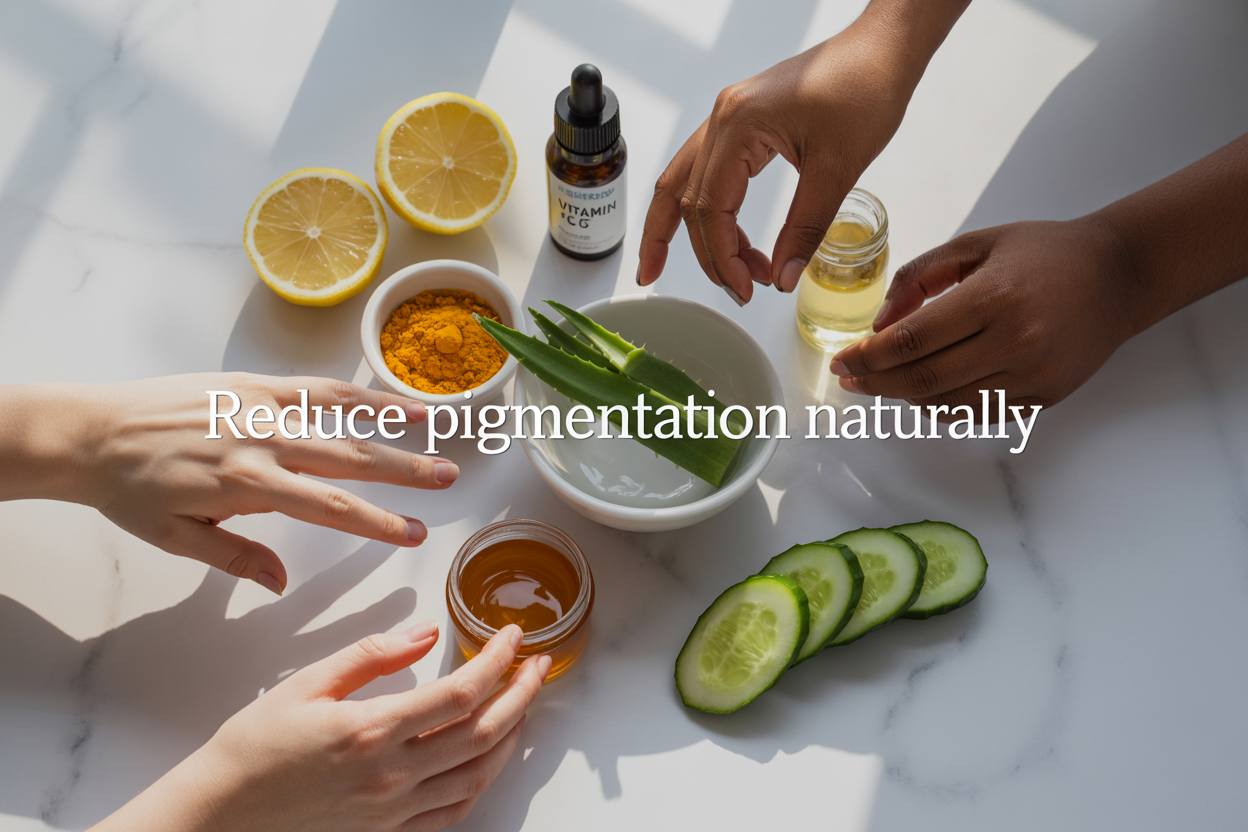
How To Reduce Pigmentation Naturally | Mis Skin
Dark spots and uneven skin tone can make you feel self-conscious about your complexion. If you’re dealing with pigmentation issues and want to avoid harsh chemicals or expensive treatments, natural remedies can help you achieve clearer, more radiant skin from the comfort of your home.
This guide is perfect for anyone struggling with melasma, age spots, acne marks, or general skin discoloration who prefers gentle, natural solutions.
We’ll walk you through the science behind what causes pigmentation, share specific foods that can brighten your skin from within, and reveal time-tested topical treatments using ingredients from your kitchen.
You’ll also discover simple lifestyle changes that prevent new dark spots from forming and learn how to track your progress for lasting results.
Understanding Pigmentation and Its Root Causes
Identify Different Types of Skin Pigmentation
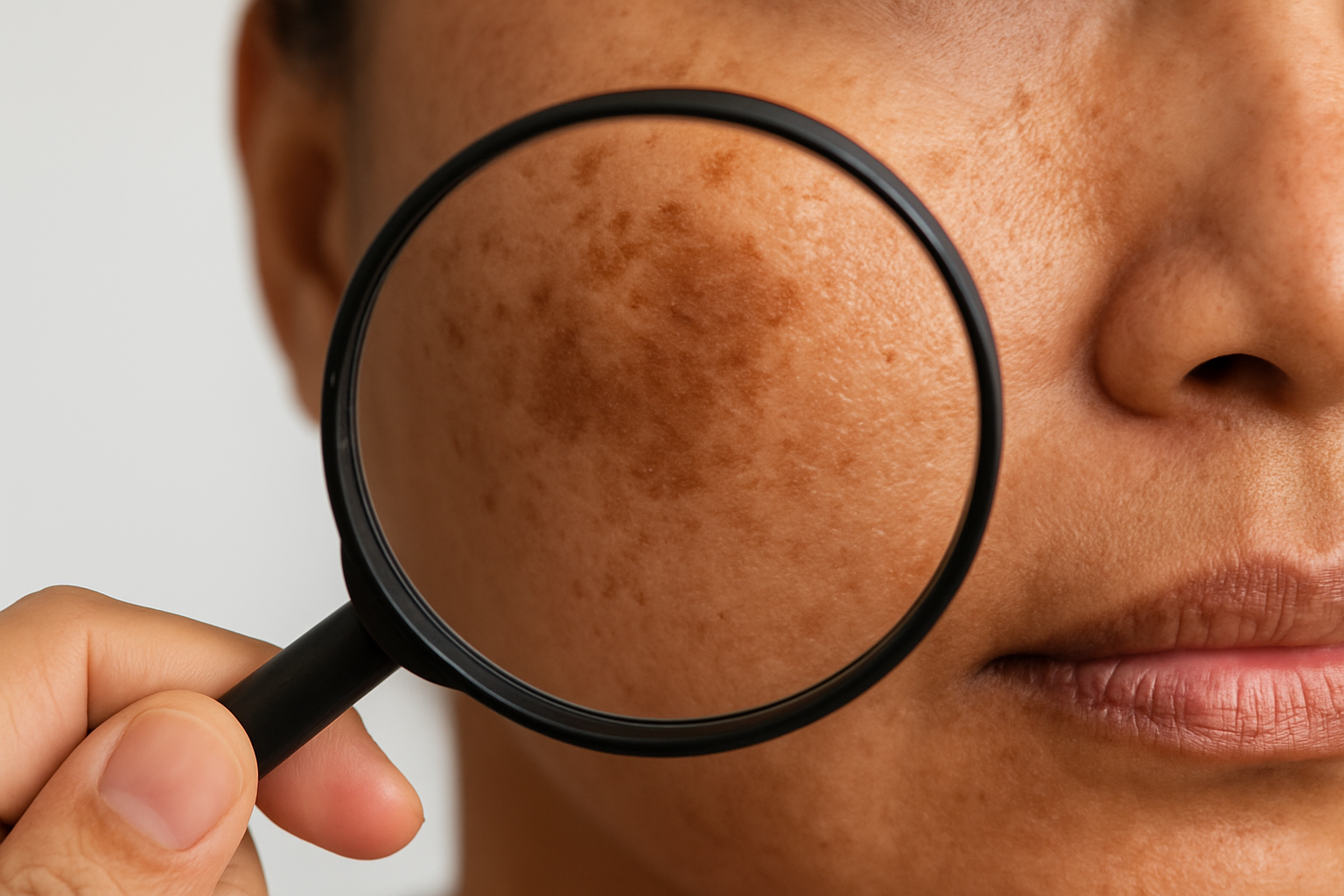
Pigmentation issues come in several distinct forms, each requiring different approaches for natural treatment. Melasma appears as brown or grayish patches, typically on the face, and often develops during pregnancy or hormonal changes.
Post-inflammatory hyperpigmentation (PIH) shows up as dark spots after acne, cuts, or other skin injuries heal. Age spots or solar lentigines are flat, brown spots that develop from years of sun exposure, commonly appearing on hands, face, and shoulders.
Freckles are small, light brown spots that usually appear in sun-exposed areas and tend to fade in winter. Café-au-lait spots are larger, uniform brown patches present from birth or early childhood.
Drug-induced pigmentation can occur from certain medications like antimalarials or chemotherapy drugs.
Each type has unique characteristics that help determine the best natural treatment approach. PIH typically responds well to gentle exfoliation and brightening ingredients, while melasma requires hormone balance support alongside topical treatments.
For More Information Contact Us :917338671338
Recognize Hormonal Triggers Affecting Melanin Production
Hormonal fluctuations play a major role in triggering excess melanin production. Estrogen and progesterone changes during pregnancy, menstruation, or menopause can activate melanocytes, the cells responsible for pigment production.
This explains why many women develop melasma during pregnancy, often called the “mask of pregnancy.”
Birth control pills and hormone replacement therapy can trigger similar responses, causing pigmentation to appear or worsen. Thyroid imbalances also affect melanin production, with both hypothyroidism and hyperthyroidism potentially causing pigmentation changes.
Cortisol levels from chronic stress can disrupt the delicate hormone balance, leading to increased pigmentation in some individuals. Insulin resistance and metabolic issues can also trigger melanin overproduction, particularly in areas like the neck and underarms.
The good news is that addressing these hormonal triggers naturally through diet, stress management, and targeted supplements can help regulate melanin production from the inside out.
Understand Sun Damage and Free Radical Impact
UV radiation is the primary environmental trigger for pigmentation issues. UVA rays penetrate deep into the skin, causing long-term damage that accumulates over years.
These rays trigger melanocytes to produce excess melanin as a protective response, but this protection becomes problematic when the process goes into overdrive.
UVB rays cause immediate burning and also stimulate melanin production. Even minimal daily sun exposure without protection can gradually worsen existing pigmentation and create new spots over time.
Free radicals generated by UV exposure damage skin cells and trigger inflammatory responses that worsen pigmentation. Environmental pollution, blue light from screens, and infrared radiation from heat sources also contribute to free radical formation.
Oxidative stress from free radicals breaks down collagen and elastin while triggering melanin overproduction. This creates a cycle where damaged skin becomes more susceptible to further pigmentation issues.
Discover Genetic Factors Influencing Skin Tone
Your genetic makeup significantly influences how your skin responds to triggers and develops pigmentation. Melanin production capacity varies dramatically between individuals based on inherited traits.
People with naturally darker skin tones have more active melanocytes, which can lead to more pronounced hyperpigmentation when triggered.
Skin sensitivity genes determine how readily your melanocytes respond to hormonal changes, sun exposure, and inflammation. Some people are genetically predisposed to develop melasma or have stronger responses to minor skin injuries.
DNA repair mechanisms inherited from parents affect how well your skin can recover from UV damage and oxidative stress. Those with less efficient repair systems may develop more persistent pigmentation issues.
Enzyme activity genes control how effectively your body processes and eliminates excess melanin.
Understanding your genetic predisposition helps set realistic expectations for natural treatment timelines and choose the most appropriate approaches for your unique skin profile.
Essential Dietary Changes for Clearer Skin
Incorporate antioxidant-rich foods to fight oxidative stress
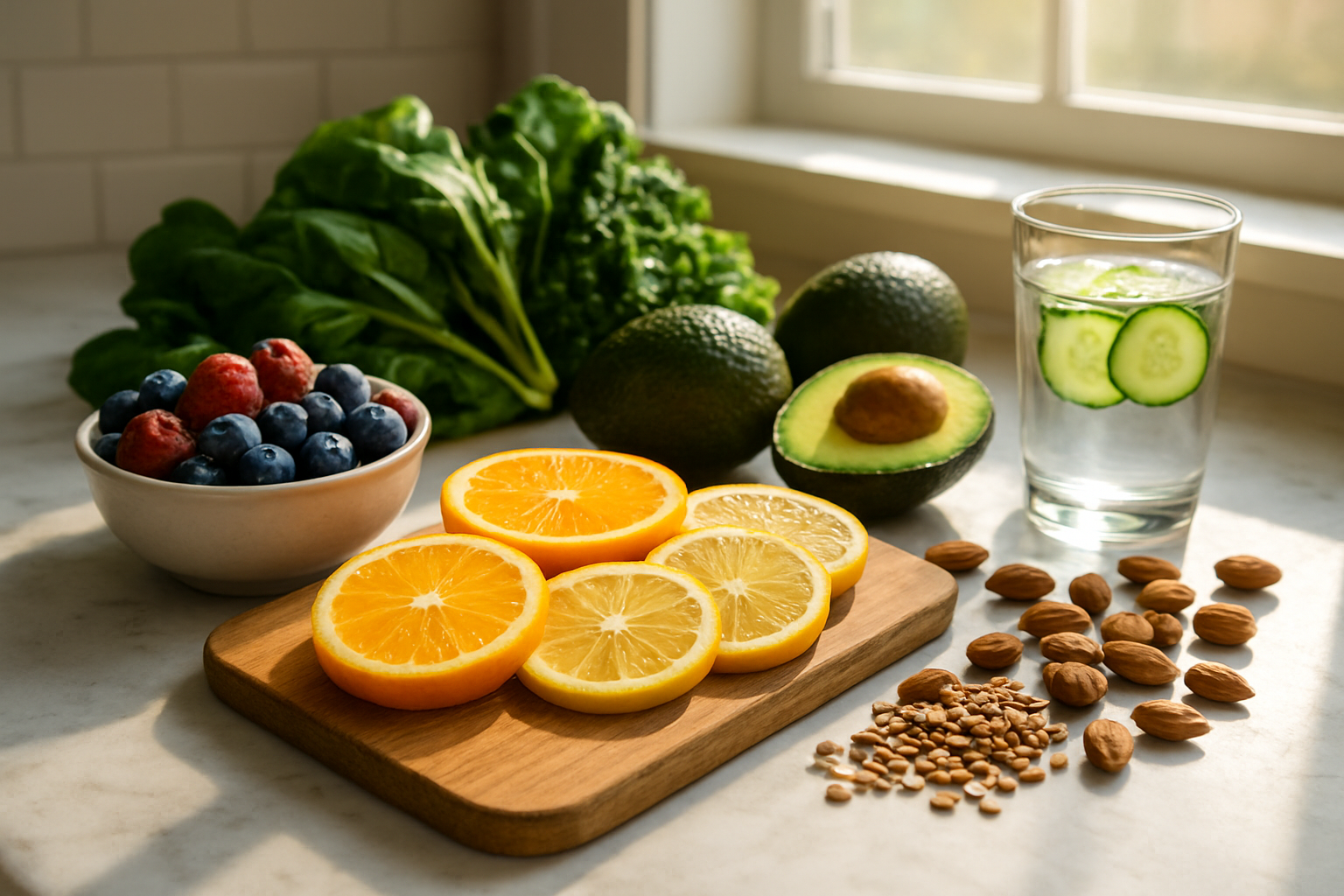
Free radicals wreak havoc on your skin cells, causing inflammation and triggering excess melanin production that leads to dark spots and uneven pigmentation. Your body needs a steady supply of antioxidants to neutralize these damaging molecules and protect your skin from within.
Berries pack the most powerful antioxidant punch. Blueberries, blackberries, and raspberries contain anthocyanins that specifically target skin cell damage.
Add a handful to your morning smoothie or yogurt. Dark leafy greens like spinach, kale, and arugula deliver high levels of vitamins A and E, which work together to repair damaged skin tissue.
Green tea deserves a special mention for its catechins, particularly EGCG, which studies show can reduce melanin production. Swap your afternoon coffee for green tea to get these skin-brightening benefits.
Dark chocolate with at least 70% cacao provides flavonoids that improve skin texture and protect against UV damage.
Colorful vegetables offer unique antioxidant profiles. Purple cabbage contains betalains that reduce inflammation, while orange sweet potatoes provide beta-carotene that converts to vitamin A for cell turnover.
Tomatoes supply lycopene, which becomes more bioavailable when cooked, making pasta sauce and tomato soup excellent choices.
Add vitamin C sources for collagen production
Vitamin C plays a dual role in fighting pigmentation – it blocks tyrosinase, the enzyme responsible for melanin production, while boosting collagen synthesis to help skin repair itself faster.
Your body can’t store vitamin C, so consistent daily intake from food sources works better than sporadic supplementation.
Citrus fruits get all the attention, but many foods contain higher vitamin C levels. One guava provides nearly four times more vitamin C than an orange. Red bell peppers contain more vitamin C per serving than most citrus fruits, plus they add satisfying crunch to salads and stir-fries.
Kiwi fruit stands out as a vitamin C powerhouse that also provides fiber and potassium. Strawberries offer vitamin C alongside natural alpha-hydroxy acids that gently exfoliate skin from the inside.
Papaya contains both vitamin C and papain, an enzyme that helps with protein digestion and may support skin cell renewal.
| Food Source | Vitamin C (mg per 100g) | Additional Benefits |
|---|---|---|
| Guava | 228 | Lycopene, fiber |
| Red bell pepper | 190 | Beta-carotene, folate |
| Kiwi | 93 | Fiber, vitamin K |
| Strawberries | 59 | Folate, manganese |
| Papaya | 61 | Papain enzyme, lycopene |
Include omega-3 fatty acids for skin repair
Chronic inflammation drives pigmentation problems, and omega-3 fatty acids act as natural anti-inflammatory agents that calm irritated skin and support healthy cell membrane function.
These essential fats help your skin retain moisture and create a stronger barrier against environmental damage.
Fatty fish like salmon, mackerel, and sardines provide EPA and DHA, the most bioactive forms of omega-3s. Aim for two servings per week to see skin improvements.
Wild-caught salmon contains higher omega-3 levels than farmed varieties. Canned sardines offer an affordable option that’s also rich in calcium and vitamin D.
Plant-based sources work too, though your body must convert ALA omega-3s to the active forms. Flaxseeds and chia seeds provide the highest concentrations – grind flaxseeds fresh to maximize absorption.
Walnuts make an excellent snack that provides omega-3s along with vitamin E. Hemp seeds sprinkled on salads or blended into smoothies offer a complete protein bonus.
Algae oil supplements provide a direct source of DHA for those following plant-based diets. This option gives you the same omega-3 types found in fish without any seafood. Start with small amounts and gradually increase, as too much omega-3 at once can cause digestive upset.
Powerful Natural Topical Treatments
Harness Lemon Juice for Natural Bleaching Properties
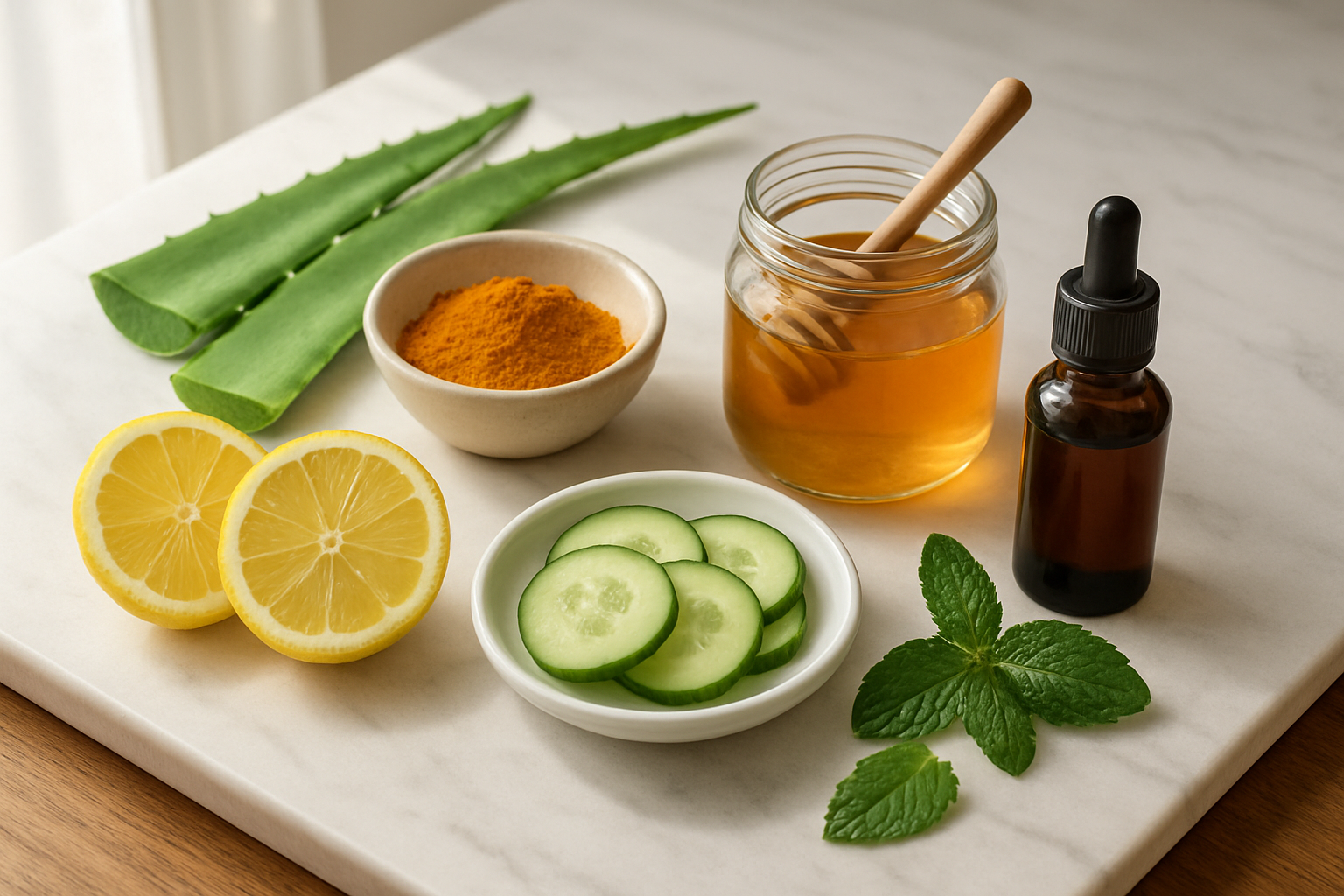
Fresh lemon juice contains citric acid, a natural alpha hydroxy acid that gently exfoliates dead skin cells while brightening dark spots. The vitamin C in lemons also helps inhibit melanin production, making it an effective treatment for hyperpigmentation.
Application Method:
- Mix equal parts fresh lemon juice and water to reduce acidity
- Apply with a cotton pad to affected areas only
- Leave on for 10-15 minutes before rinsing thoroughly
- Always use at night and follow with moisturizer
Safety Considerations:
- Never apply undiluted lemon juice directly to skin
- Avoid sun exposure for 12 hours after treatment
- Perform patch tests before first use
- Discontinue if irritation occurs
Apply Turmeric Masks for Anti-inflammatory Benefits
Turmeric’s active compound, curcumin, offers powerful anti-inflammatory and antioxidant properties that help fade dark spots while preventing new pigmentation from forming. This golden spice has been used for centuries in traditional skincare routines across various cultures.
DIY Turmeric Mask Recipes:
| Ingredients | Benefits | Application Time |
|---|---|---|
| 1 tsp turmeric + 2 tbsp. honey | Moisturizing & brightening | 15-20 minutes |
| 1 tsp turmeric + 1 tbsp yogurt | Gentle exfoliation | 10-15 minutes |
| 1 tsp turmeric + 1 tbsp milk | Soothing & nourishing | 15 minutes |
Pro Tips:
- Use raw turmeric powder for best results
- Mix with non-dairy milk if lactose sensitive
- Gently massage in circular motions before leaving on
- Use 2-3 times weekly for optimal results
Use Aloe Vera Gel for Healing and Moisturizing
Aloe vera contains aloin, a compound that naturally lightens pigmentation while providing deep hydration. The plant’s healing properties also help repair damaged skin and prevent scarring that can lead to post-inflammatory hyperpigmentation.
Fresh Aloe Application:
- Cut open an aloe leaf and extract the clear gel
- Apply directly to pigmented areas
- Gently massage until absorbed
- Can be used twice daily as it’s extremely gentle
Enhanced Aloe Treatments:
- Mix aloe gel with a few drops of vitamin E oil
- Combine with cucumber juice for extra cooling effect
- Add a pinch of turmeric for increased brightening power
- Refrigerate aloe gel for soothing application on inflamed skin
Create Kojic Acid Treatments from Natural Sources
While kojic acid is often associated with commercial products, you can access this powerful pigmentation fighter through natural fermentation processes found in certain foods and DIY preparations.
Natural Kojic Acid Sources:
- Rice water: Soak rice for 30 minutes, strain, and use the starchy water as a toner
- Fermented rice paste: Create a gentle exfoliating mask from ground rice
- Mushroom extracts: Shiitake mushrooms contain natural kojic acid compounds
Rice Water Treatment Protocol:
- Rinse 1 cup of rice until water runs clear
- Soak in 2 cups water for 30 minutes
- Strain and store liquid in refrigerator
- Apply twice daily with cotton pad
- Follow with moisturizer after 20 minutes
Utilize Green Tea Extracts for Antioxidant Protection
Green tea’s polyphenols, particularly EGCG (epigallocatechin gallate), provide robust antioxidant protection while helping to regulate melanin production. This makes it excellent for both treating existing pigmentation and preventing future dark spots.
Green Tea Skin Applications:
Chilled Green Tea Compress:
- Brew strong green tea and refrigerate
- Soak cotton pads in cold tea
- Apply to pigmented areas for 15 minutes
- Repeat daily for consistent results
Green Tea Face Mist:
- Combine cooled green tea with rose water (1:1 ratio)
- Transfer to spray bottle
- Mist face throughout the day for continuous antioxidant protection
- Store in refrigerator for up to one week
Matcher Powder Mask:
- Mix 1 tsp matcha powder with honey
- Add few drops of water to create paste consistency
- Apply for 15-20 minutes weekly
- Provides concentrated antioxidants directly to skin
These natural treatments work best when used consistently over several weeks. Always patch test new ingredients and introduce one treatment at a time to monitor your skin’s response.
Lifestyle Modifications for Prevention

Establish consistent sun protection routines
Sun exposure remains the primary culprit behind pigmentation issues, making daily protection your strongest defense. Apply broad-spectrum SPF 30 or higher sunscreen every morning, regardless of weather or season.
UV rays penetrate clouds and glass, so indoor workers need protection too.
Reapply sunscreen every two hours when outdoors, or more frequently if you’re sweating or swimming. Physical blockers containing zinc oxide or titanium dioxide work best for sensitive skin prone to pigmentation.
Don’t forget often-missed spots like your ears, neck, hands, and the tops of your feet.
Build sun-safe habits beyond sunscreen. Seek shade during peak UV hours between 10 AM and 4 PM. Wear wide-brimmed hats that cast shadows over your entire face, and choose tightly woven clothing with UPF ratings when possible.
Sunglasses protect the delicate eye area where many people develop age spots.
Develop proper sleep patterns for skin regeneration
Your skin repairs itself while you sleep, making quality rest essential for preventing new pigmentation and healing existing spots. Aim for 7-9 hours of consistent sleep each night.
Your body produces growth hormone during deep sleep phases, which helps regenerate skin cells and fade dark spots naturally.
Create a sleep-friendly environment by keeping your bedroom cool, dark, and quiet. Blue light from phones and computers disrupts melatonin production, so power down devices at least an hour before bed. Consider blackout curtains and a white noise machine if needed.
Sleep on your back when possible to avoid creasing delicate facial skin against pillowcases. Silk or satin pillowcases create less friction than cotton, reducing irritation that can trigger pigmentation in sensitive individuals.
Implement stress management techniques
Chronic stress triggers inflammation throughout your body, including your skin. Elevated cortisol levels can worsen existing pigmentation and make your skin more reactive to triggers like sun exposure or hormonal changes.
Practice daily stress-reduction techniques that work for your lifestyle. Deep breathing exercises, even just five minutes daily, help lower cortisol levels. Regular meditation, yoga, or gentle stretching can make a significant difference in your skin’s appearance over time.
Find healthy outlets for stress like journaling, walking in nature, or talking with friends. Physical activity releases endorphins that naturally combat stress hormones, but avoid over-exercising, which can create oxidative stress and potentially worsen pigmentation.
For More Information Contact Us :917338671338
Create gentle skincare routines without harsh chemicals
Aggressive scrubbing and harsh chemicals often backfire, causing inflammation that triggers more pigmentation. Build a gentle routine using pH-balanced cleansers and lukewarm water. Pat your skin dry instead of rubbing with towels.
Avoid products containing sulfates, artificial fragrances, or high concentrations of acids if you have sensitive skin. Introduce new products one at a time to identify any triggers.
Look for formulations with ceramides, hyaluronic acid, and niacinamide, which strengthen your skin barrier without irritation.
Limit exfoliation to once or twice weekly using gentle methods like soft washcloths or mild enzyme peels.
Over-exfoliation strips away protective oils and can cause micro-injuries that lead to post-inflammatory hyperpigmentation. Your skin should feel comfortable, never tight or stinging after cleansing.
Proven Home Remedy Combinations
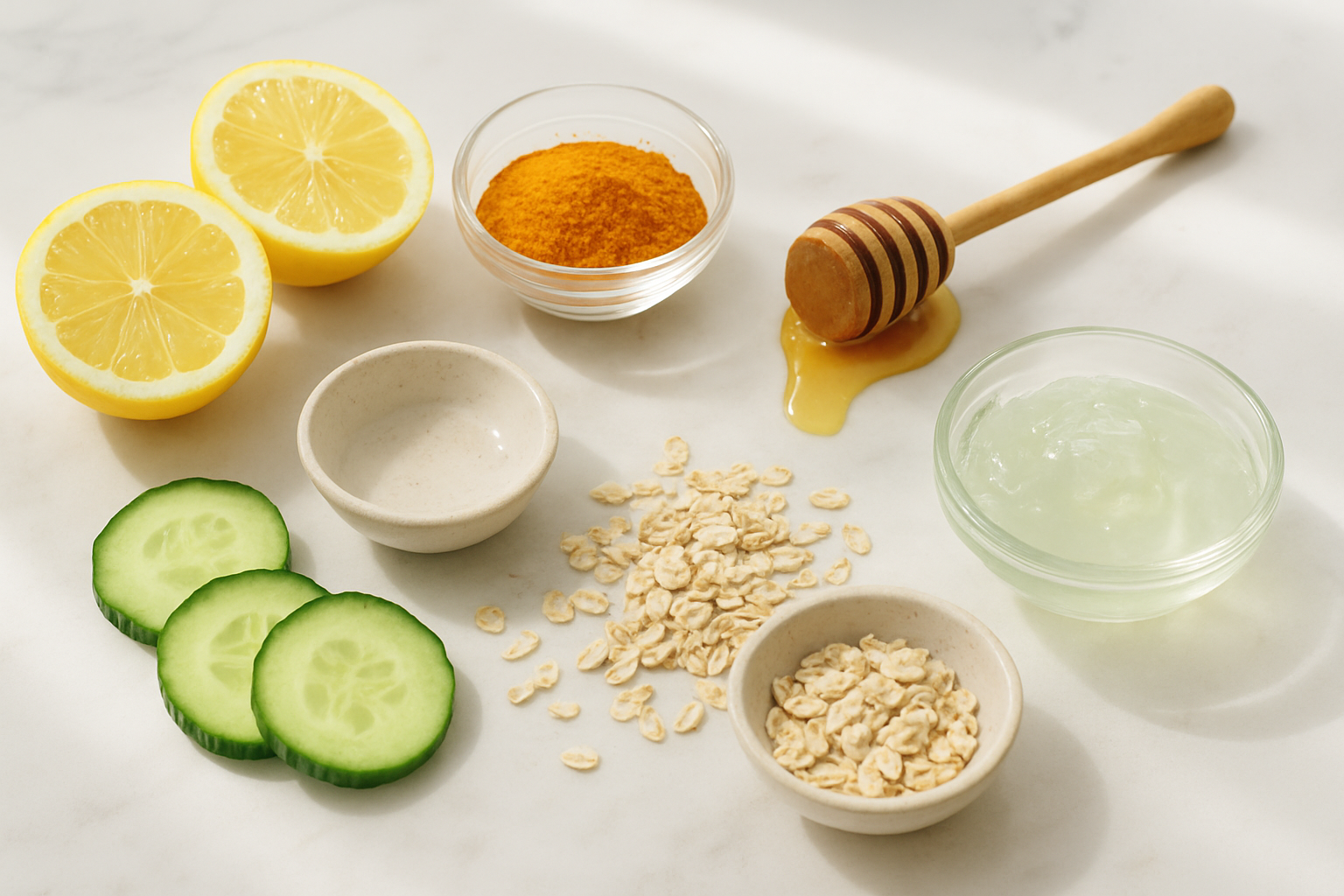
Mix honey and papaya for gentle exfoliation
Raw honey paired with ripe papaya creates one of nature’s most effective pigmentation treatments. Papaya contains papain, a natural enzyme that breaks down dead skin cells and promotes cell turnover, while honey brings antibacterial properties and deep moisturization to prevent irritation.
Preparation method:
- Mash 2 tablespoons of ripe papaya until smooth
- Add 1 tablespoon of raw honey and mix thoroughly
- Apply to clean skin in circular motions for gentle exfoliation
- Leave on for 15-20 minutes before rinsing with lukewarm water
The papain enzyme works best on slightly overripe papaya, so don’t throw away those soft fruits. This combination works particularly well on stubborn dark spots around the mouth and forehead. Use this mask twice weekly for best results, and always follow with sunscreen during daytime applications.
Combine oatmeal and milk for brightening masks
Oatmeal acts as a natural scrub while milk provides lactic acid for gentle chemical exfoliation. This combination brightens dull skin and reduces hyperpigmentation without harsh chemicals or expensive treatments.
Simple recipe:
- Grind 3 tablespoons of oats into a fine powder
- Mix with enough milk to form a paste consistency
- Apply evenly across affected areas
- Massage gently in circular motions for 2-3 minutes
- Let sit for 10 minutes before rinsing
The lactic acid in milk helps dissolve melanin clusters that cause dark spots, while oatmeal removes surface impurities. Raw milk works best due to higher enzyme content, but regular milk still provides benefits. People with lactose sensitivity can substitute with almond or oat milk.
Blend tomato and yogurt for natural acids
Tomatoes contain lycopene and natural acids that lighten pigmentation, while yogurt provides probiotics and additional lactic acid. This powerful combination targets multiple pigmentation causes simultaneously.
Application technique:
- Blend 1 medium tomato until smooth
- Strain to remove pulp and seeds
- Mix tomato juice with 2 tablespoons plain yogurt
- Apply with cotton pad or fingers
- Leave for 20 minutes before washing off
This mixture works especially well on sun damage and age spots. The vitamin C in tomatoes boosts collagen production while acids work on surface pigmentation.
Use fresh ingredients each time for maximum potency, and store any leftover mixture in the refrigerator for up to 24 hours.
Tracking Progress and Maintaining Results
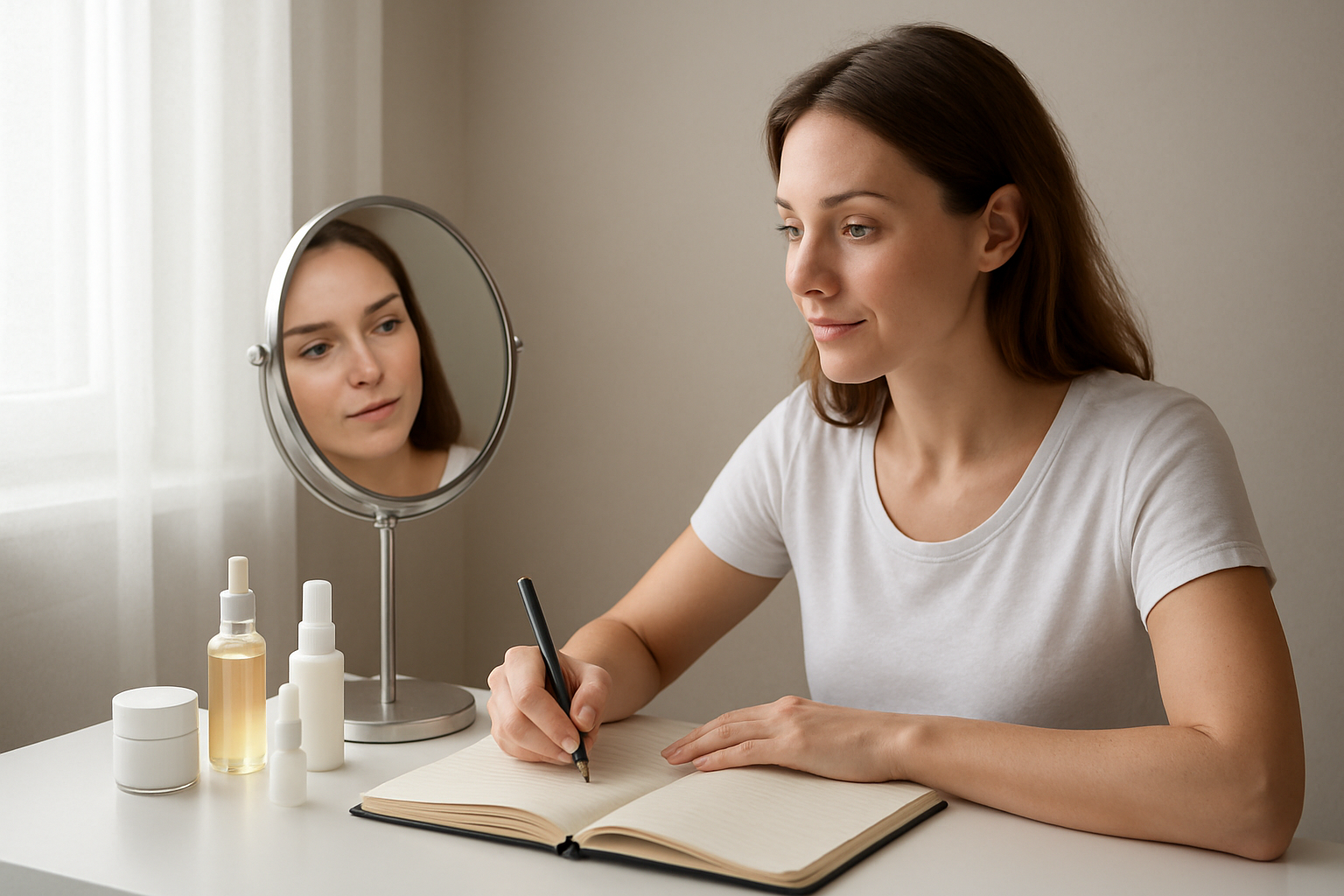
Taking consistent photos of your skin becomes your best tool for tracking pigmentation improvements. Snap pictures in the same lighting conditions, preferably natural daylight near a window, at the same time of day.
Use your phone’s front camera without filters, and maintain the same distance and angle each time. Weekly photos work well for most people, though you might want daily shots during the first month to catch early changes.
Create a simple folder system on your phone with dates, and consider taking close-ups of specific problem areas alongside full-face shots.
Many people miss subtle improvements because they see their skin daily, but photos reveal gradual fading that’s otherwise invisible. Side-by-side comparisons after 4-6 weeks often show remarkable progress that keeps you motivated.
For More Information Contact Us :917338671338
Adjust treatment frequency based on skin response
Your skin talks to you through various signals, and listening prevents setbacks. Start any new treatment slowly – perhaps every other day – then increase frequency as your skin adapts.
Mild tingling or slight redness initially is normal with ingredients like vitamin C or natural acids, but persistent irritation means you’re pushing too hard.
Watch for these positive signs that indicate you can maintain or slightly increase treatment frequency:
- Improved texture and smoothness
- Gradual lightening of dark spots
- No excessive dryness or sensitivity
- Healthy skin barrier function
Red flags that signal the need to reduce frequency include persistent redness, increased sensitivity to products you normally tolerate, or new breakouts in areas where you’re applying treatments.
During hormonal fluctuations, pregnancy, or seasonal changes, your skin’s tolerance may shift, requiring temporary adjustments.
Maintain long-term prevention strategies
Prevention becomes your daily insurance policy against new pigmentation. Sunscreen remains non-negotiable – apply broad-spectrum SPF 30 minimum every single day, even indoors near windows. Reapply every two hours when outdoors, and don’t forget often-missed spots like ears, neck, and hands.
Build these habits into your routine permanently:
- Gentle cleansing to avoid inflammation
- Regular exfoliation to prevent dead skin buildup
- Antioxidant-rich foods to support skin health from within
- Stress management through adequate sleep and relaxation
- Protective clothing during peak sun hours
Consider rotating active ingredients seasonally. Summer might call for gentler treatments combined with religious sun protection, while winter allows for stronger exfoliating treatments when UV exposure typically decreases.
Know when to seek professional guidance
Sometimes DIY approaches hit their limits, and recognizing these moments saves time and prevents frustration. Consult a dermatologist if dark spots haven’t improved after 3-4 months of consistent natural treatments, or if pigmentation appears suddenly or changes rapidly in shape, size, or color.
Professional intervention becomes necessary when:
- Pigmentation covers large areas of your face
- Dark spots have deep, embedded pigment from years of sun damage
- You develop sensitivity or reactions to multiple natural ingredients
- Melasma or hormonal pigmentation proves stubborn
- New spots continue appearing despite prevention efforts
Dermatologists can offer targeted treatments like chemical peels, laser therapy, or prescription retinoids that work alongside your natural routine.
Many professionals appreciate when patients maintain healthy lifestyle habits and gentle natural care between professional treatments, as this often enhances results and reduces recovery time.
Conclusion :
Pigmentation doesn’t have to be a permanent skin concern when you know the right natural approach. From making simple dietary swaps to applying gentle home remedies, you’ve learned that clear, even-toned skin is achievable without harsh chemicals or expensive treatments.
The key lies in addressing the root causes – whether that’s sun damage, hormonal changes, or inflammation – while supporting your skin’s natural healing process.
Consistency is your best friend on this journey. Start with one or two methods that feel manageable, track your progress with photos, and give your skin time to respond. Remember that natural remedies work gradually but often provide lasting results.
Your skin’s health reflects your overall wellness, so those lifestyle changes you make will benefit you far beyond just pigmentation concerns.
For More Information Contact Us :917338671338