Categories
Skincare Tips

Finding the best natural skincare products for sensitive skin can feel overwhelming when your face reacts to seemingly everything. If you have sensitive skin that gets red, irritated, or breaks out from harsh chemicals and synthetic fragrances, you’re not alone—and natural products might be your skin’s best friend.

This guide is for anyone dealing with sensitive, reactive skin who wants to switch to gentler, plant-based alternatives that actually work. We’ll explore the essential natural ingredients that calm and protect delicate skin, plus share our top picks for gentle cleansers that won’t strip your skin barrier.

You’ll also discover nourishing natural moisturizers that provide all-day comfort without triggering flare-ups.Ready to build a skincare routine that loves your skin back? Let’s dive in.

Understanding Sensitive Skin Characteristics and Needs

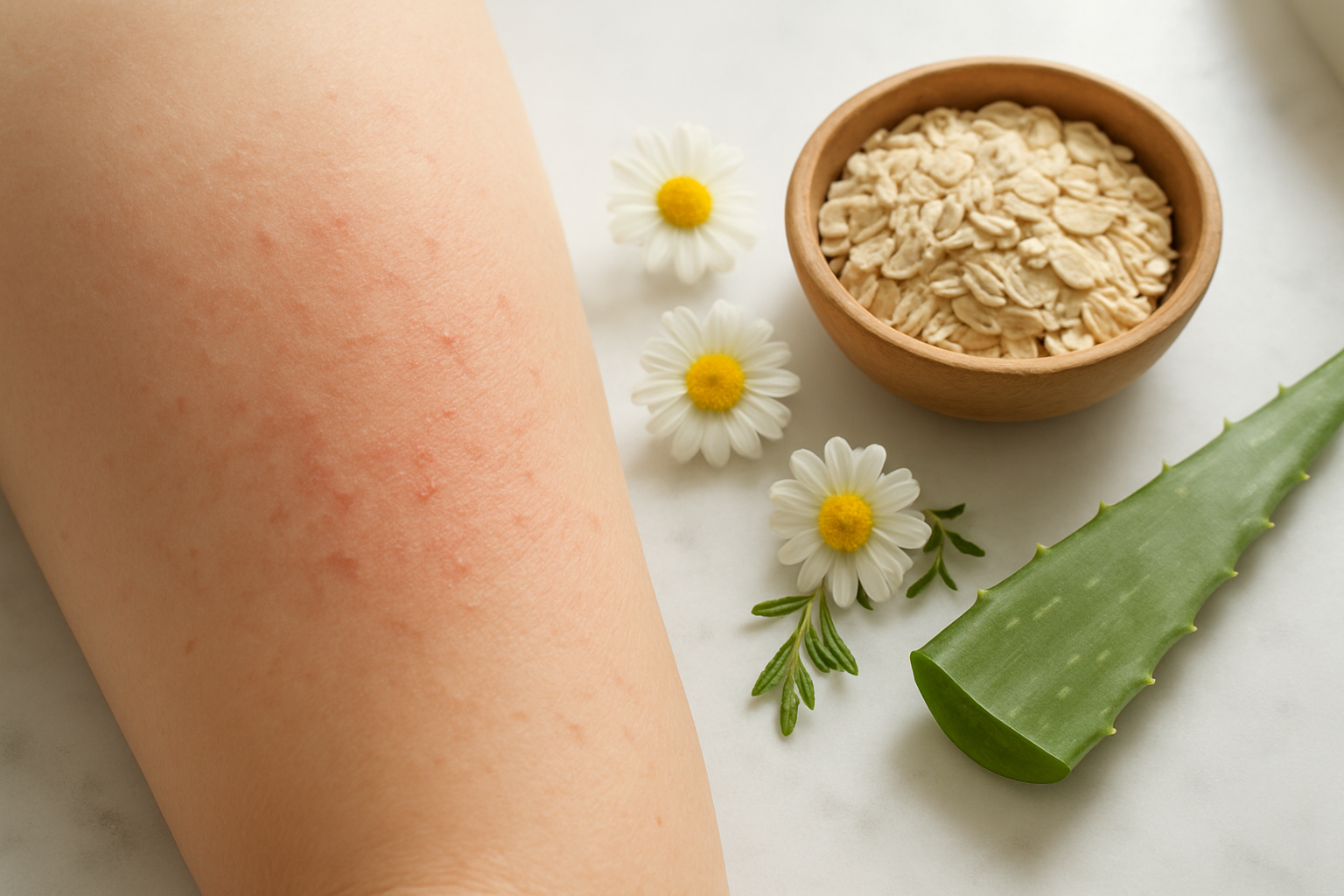
Create a realistic image of a close-up view of human skin showing different sensitivity indicators like slight redness, small patches of irritation, and delicate texture, alongside gentle natural skincare elements such as chamomile flowers, aloe vera leaves, and oatmeal in small wooden bowls, arranged on a clean white marble surface with soft, diffused natural lighting from a window, creating a calm and clinical yet natural atmosphere that emphasizes skin care and sensitivity awareness, absolutely NO text should be in the scene.

Common Symptoms and Triggers That Affect Sensitive Skin

Sensitive skin shows up in ways that can make daily skincare feel like navigating a minefield. Redness, burning sensations, and stinging reactions are the most obvious warning signs your skin is struggling.

Many people also experience persistent dryness, rough patches, or that uncomfortable tight feeling after washing their face.

The triggers behind these reactions vary widely between individuals. Weather changes top the list – cold winds, hot sun, or sudden humidity shifts can send sensitive skin into overdrive.

Environmental pollutants, dust, and even air conditioning create ongoing stress for delicate skin barriers. Stress itself plays a major role, as cortisol spikes can worsen inflammation and break down your skin’s natural defenses.

Food sensitivities sometimes show up on your face before anywhere else. Common culprits include dairy, sugar, and processed foods that promote inflammation throughout your body. Hormonal fluctuations during menstruation, pregnancy, or menopause also trigger flare-ups in many people.

Even seemingly harmless activities like over-washing, using hot water, or switching pillowcases too infrequently can cause reactions. The key lies in tracking your personal patterns to identify which combinations of factors set off your skin’s alarm bells.

Why Conventional Skincare Products Often Irritate Delicate Skin

Mass-market skincare products prioritize shelf stability, cost-effectiveness, and universal appeal over gentle formulations. This approach creates a perfect storm for sensitive skin reactions.

Synthetic preservatives like parabens and formaldehyde-releasing agents extend product life but can trigger contact dermatitis and ongoing irritation.

Chemical fragrances represent one of the biggest offenders in conventional products. These synthetic scent compounds contain dozens of undisclosed chemicals that manufacturers aren’t required to list individually.

Your skin absorbs these mystery ingredients, often leading to allergic reactions that worsen with repeated exposure.

Conventional products also rely heavily on sulfates for cleansing power. While sulfates create satisfying foam and remove dirt effectively, they strip away your skin’s natural protective oils along with the grime. This leaves your skin barrier compromised and vulnerable to everything from bacteria to environmental toxins.

The pH levels in many mainstream products don’t match your skin’s natural acidity. Healthy skin maintains a pH around 5.5, but many cleansers and toners clock in at 8 or higher.

This alkaline environment disrupts your skin’s microbiome and reduces its ability to fight off harmful bacteria while maintaining moisture.

Key Ingredients to Avoid for Optimal Skin Health

Alcohol-based ingredients deserve top billing on your avoid list, especially if you have reactive or easily irritated skin. SD alcohol, denatured alcohol, and isopropyl alcohol are commonly found in toners, acne treatments, and anti-aging products, but they can strip away the skin’s natural oils and weaken its protective barrier.

This is why dermatologists often recommend switching to natural skincare for sensitive skin, focusing on calming, plant-based formulations. Choosing natural skincare products for sensitive skin or organic skincare products for sensitive skin helps reduce redness, dryness, and flare-ups while supporting long-term skin health.

Many people now prefer best natural skin care products for sensitive skin and best natural skincare products for sensitive skin that are free from harsh alcohols, fragrances, and synthetic preservatives.

By opting for natural products for sensitive skin and following a gentle natural sensitive skin care routine, you can protect your skin barrier and achieve balanced, comfortable skin using best natural products for sensitive skin designed to soothe rather than stress your complexion.

These ingredients provide quick-drying formulas and help other ingredients penetrate deeper, but they destroy your skin barrier in the process.

Synthetic colorants and dyes serve no functional purpose beyond making products look appealing on store shelves. Red 40, Yellow 5, and similar artificial colors frequently cause allergic reactions, especially around the delicate eye area.

These petroleum-derived additives accumulate in your system over time and may disrupt hormonal function.

Essential oils require careful consideration despite their natural origins. Citrus oils like lemon, lime, and bergamot increase photosensitivity, making your skin more prone to sun damage and dark spots.

Peppermint, eucalyptus, and tea tree oils can trigger reactions in people with sensitive skin, even in small concentrations.

Retinoids and alpha-hydroxy acids (AHAs) work well for many skin types but can overwhelm sensitive skin. Glycolic acid, lactic acid, and prescription retinoids cause increased cell turnover that sensitive skin often can’t handle without significant irritation.

Ingredient Category Common Examples Why to Avoid
Harsh Alcohols SD Alcohol, Denatured Alcohol Strips natural oils, weakens barrier
Synthetic Fragrances Parfum, Fragrance Undisclosed chemicals, allergen triggers
Sulfates SLS, SLES Over-cleansing, pH disruption
Artificial Colors Red 40, Yellow 5 Allergic reactions, hormone disruption

Benefits of Choosing Natural Formulations Over Synthetic Alternatives

Natural skincare ingredients work with your skin’s existing systems rather than overriding them. Plant-based oils like jojoba and rosehip closely mimic your skin’s natural sebum, allowing for better absorption without clogging pores.

Your skin recognizes these molecular structures and integrates them seamlessly into its repair and maintenance processes.

Natural preservatives like vitamin E, rosemary extract, and grapefruit seed extract protect products from harmful bacteria while being gentler on your skin.

These botanical preservatives often provide additional antioxidant benefits, giving you skincare and protection in one ingredient.

The transparency of natural ingredient lists empowers you to make informed choices. When a product contains chamomile extract, you know exactly what you’re getting – the soothing compounds from actual chamomile flowers.

This clarity helps you identify and avoid specific triggers while building a routine around ingredients that work for your unique skin needs.

Natural formulations typically contain fewer total ingredients, reducing your exposure to potential irritants. Simple ingredient lists make it easier to isolate reactions and pinpoint exactly what’s helping or hurting your skin.

This streamlined approach proves especially valuable when building a routine from scratch or recovering from a reaction.

Many natural ingredients provide multiple benefits in single components. Aloe vera simultaneously hydrates, soothes inflammation, and provides antimicrobial protection.

Honey offers gentle cleansing, moisture retention, and wound healing properties. This multifunctional approach means fewer products overall, reducing both costs and potential reaction risks.

Essential Natural Ingredients for Gentle Skincare

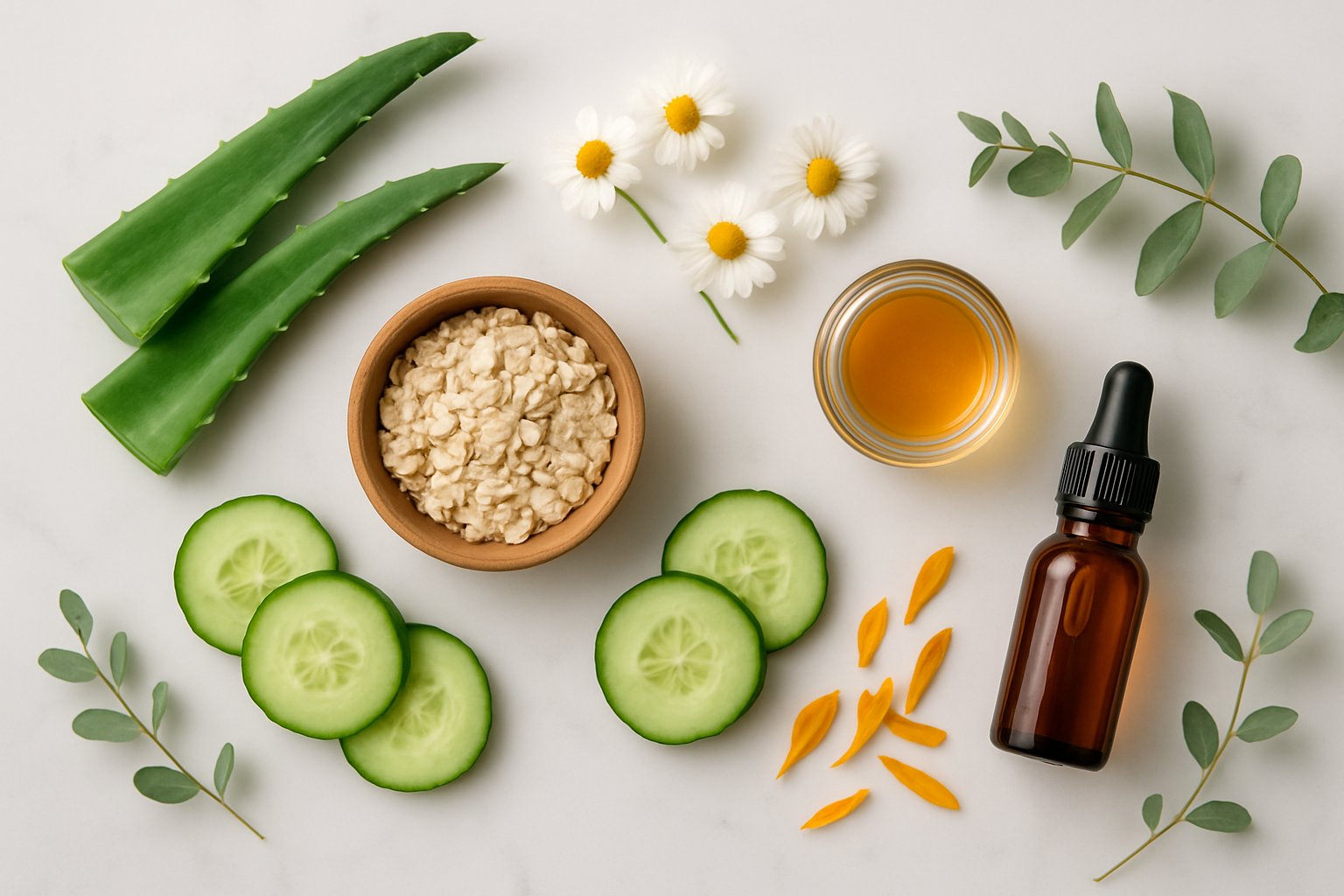
Create a realistic image of an elegant flat lay arrangement featuring natural skincare ingredients including fresh aloe vera leaves, chamomile flowers, oatmeal in a wooden bowl, cucumber slices, honey in a glass jar, rosehip oil in a small amber bottle, and calendula petals scattered on a clean white marble surface with soft natural lighting from above creating gentle shadows, surrounded by subtle green botanical elements like eucalyptus sprigs, conveying a serene and gentle mood perfect for sensitive skin care, absolutely NO text should be in the scene.

Soothing botanical extracts that calm inflammation

Chamomile stands out as one of nature’s most effective anti-inflammatory powerhouses for sensitive skin. This gentle flower contains compounds like chamazulene and bisabolol that work to reduce redness and irritation while providing instant comfort.

You’ll find chamomile particularly helpful after sun exposure or during flare-ups of conditions like eczema or rosacea.

Calendula offers another excellent option for calming inflamed skin. This vibrant orange flower has been used for centuries to heal wounds and soothe irritation.

The petals contain flavonoids and saponins that help repair damaged skin barriers while reducing sensitivity. Many people with reactive skin find calendula-infused products provide gentle relief without triggering new reactions.

Aloe vera deserves recognition for its cooling and healing properties. The clear gel inside aloe leaves contains over 75 active compounds, including amino acids, vitamins, and minerals that work together to calm inflammation and promote healing.

Fresh aloe provides the most potent benefits, though quality aloe-based products can offer similar soothing effects.

Green tea extract brings powerful antioxidants called polyphenols to your skincare routine. These compounds help protect sensitive skin from environmental damage while reducing inflammation.

EGCG, the most studied polyphenol in green tea, has shown remarkable ability to calm reactive skin and prevent further irritation.

Natural moisturizers that hydrate without clogging pores

Jojoba oil technically isn’t an oil at all – it’s a liquid wax that closely mimics your skin’s natural sebum. This unique composition means jojoba absorbs quickly without leaving a greasy residue or blocking pores.

People with sensitive, acne-prone skin often find jojoba provides perfect hydration without triggering breakouts.

Hyaluronic acid occurs naturally in your skin and can hold up to 1,000 times its weight in water. When applied topically, this powerful humectant draws moisture from the environment and deeper skin layers to plump and hydrate the surface.

Different molecular weights of hyaluronic acid penetrate various skin depths, providing comprehensive moisture without heaviness.

Squalane, derived from olive oil or sugarcane, offers lightweight hydration that works well for all skin types. Your skin naturally produces squalene (with an ‘e’), but production decreases with age.

Squalane supplements this natural process, providing moisture that feels weightless and absorbs completely.

Glycerin draws moisture from the air and deeper skin layers to the surface, making it an excellent natural humectant. When combined with occlusives like natural oils, glycerin creates a moisture barrier that keeps skin hydrated throughout the day without feeling heavy or sticky.

Gentle exfoliating agents from natural sources

Lactic acid, naturally found in fermented milk products, provides the gentlest chemical exfoliation available. This alpha hydroxy acid works by dissolving the bonds between dead skin cells, revealing fresh, smooth skin underneath.

Unlike harsher acids, lactic acid also has moisturizing properties, making it perfect for sensitive skin that needs gentle renewal.

Fruit enzymes from pineapple (bromelain) and papaya (papain) offer enzyme-based exfoliation that’s incredibly gentle yet effective. These natural proteins break down dead skin cells without the abrasive action of physical scrubs.

Enzyme exfoliation works slowly and naturally, reducing the risk of irritation while still providing noticeable skin improvement.

Oatmeal contains natural saponins that create a mild cleansing action while beta-glucans soothe and moisturize. Finely ground oatmeal provides gentle physical exfoliation that won’t tear or damage delicate skin.

The anti-inflammatory properties of oats make this ingredient particularly suitable for conditions like eczema or dermatitis.

Rice bran offers another gentle physical exfoliant rich in vitamins E and B, along with antioxidants. The fine texture provides mild exfoliation while the natural oils in rice bran nourish and protect the skin barrier.

Top Natural Cleansers That Protect Your Skin Barrier

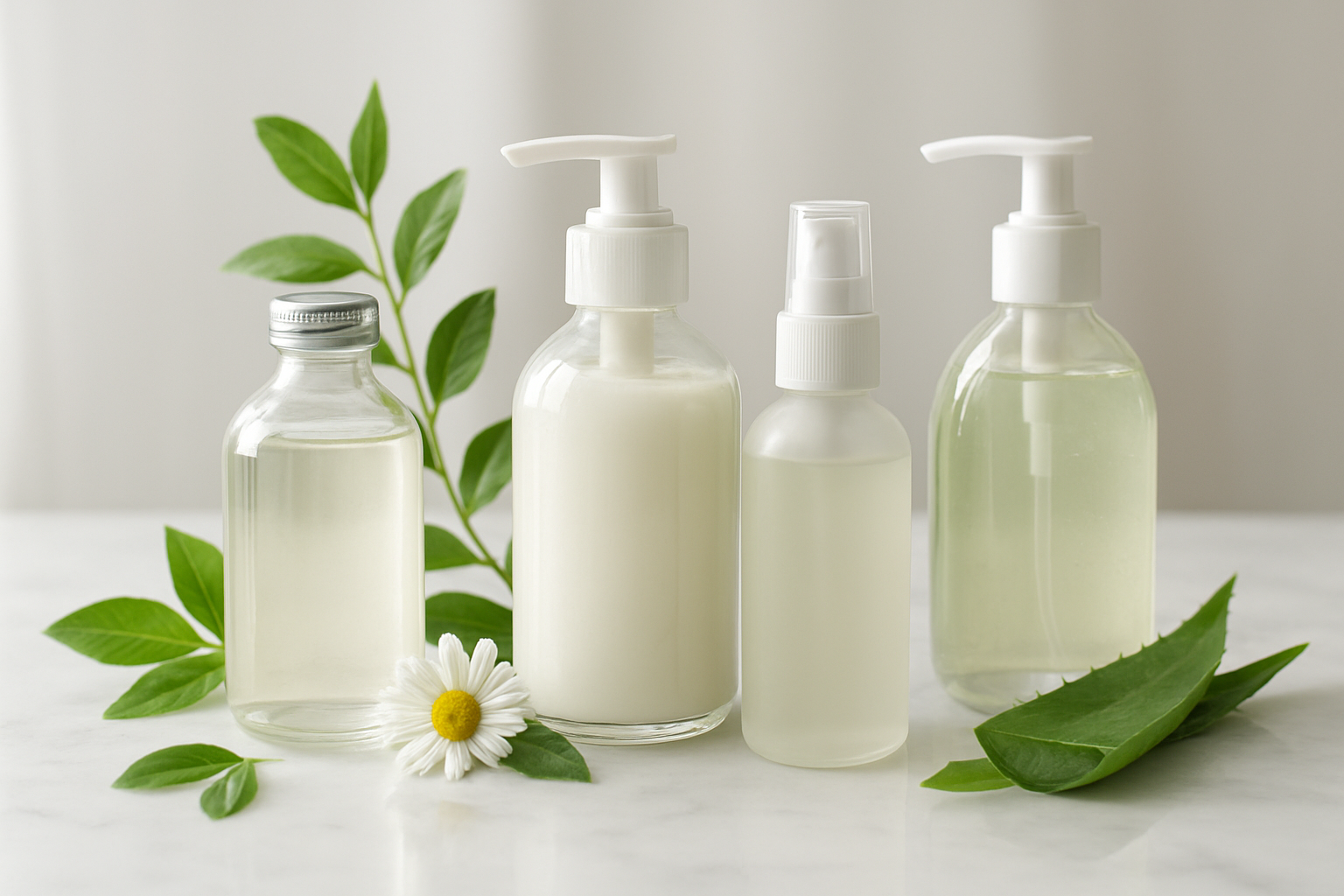
Create a realistic image of elegant glass bottles and pump dispensers containing natural cleansing products arranged on a clean white marble surface, surrounded by fresh green leaves, chamomile flowers, and aloe vera plants, with soft natural lighting streaming from the side creating gentle shadows, emphasizing the organic and gentle nature of sensitive skincare products, shot in a minimalist spa-like setting with a blurred soft white background, absolutely NO text should be in the scene.

Oil-based cleansers for deep yet gentle makeup removal

Oil-based cleansers work like magic for sensitive skin because they dissolve makeup and sunscreen without the harsh scrubbing that irritates delicate complexions.

These cleansers follow the “like dissolves like” principle, where oil-based products break down oil-based makeup and impurities naturally.

Jojoba oil stands out as a top choice since it’s technically a wax ester that closely mimics your skin’s natural sebum. This similarity means it won’t clog pores or trigger reactions.

Sweet almond oil offers another gentle option, packed with vitamin E to soothe inflammation while removing stubborn eye makeup.

Sunflower seed oil deserves special mention for sensitive skin types. Rich in linoleic acid, it actually helps repair damaged skin barriers while cleansing. Many people with reactive skin find it calming rather than irritating.

When choosing oil cleansers, look for simple formulations without added fragrances or essential oils. The best products contain just one or two carrier oils, maybe with a gentle emulsifier to help them rinse away cleanly with water.

The double cleanse method works perfectly with oil cleansers. Start with the oil to remove makeup and sunscreen, then follow with a gentle water-based cleanser to remove any remaining residue. This approach ensures thorough cleaning without over-stripping your skin’s protective barrier.

Cream cleansers that maintain natural moisture balance

Cream cleansers act like a protective hug for sensitive skin, delivering cleansing power while adding moisture back into your complexion. These rich, creamy formulations typically contain nourishing ingredients that prevent the tight, stripped feeling many sensitive skin types experience with harsher cleansers.

Ceramides play a crucial role in quality cream cleansers. These naturally occurring lipids help rebuild and maintain your skin barrier, making them perfect for reactive skin types. Look for products featuring ceramide NP, AP, and EOP for maximum barrier support.

Colloidal oatmeal brings incredible soothing properties to cream cleansers. This finely ground oat powder contains compounds called avenanthramides that reduce inflammation and calm irritated skin. Many people with eczema-prone or extremely sensitive skin swear by oat-based cream cleansers.

Shea butter and murumuru butter add luxurious texture while providing deep moisturization. These natural butters melt into skin without leaving greasy residues, making them ideal for cream cleanser formulations.

The application technique matters with cream cleansers. Massage gently with dry hands on dry skin for about 30 seconds, then add a small amount of lukewarm water to emulsify before rinsing. This method maximizes the cleansing benefits while preserving your skin’s moisture levels.

Micellar waters with natural plant-based ingredients

Micellar water revolutionized gentle cleansing by using tiny micelles – molecular clusters that attract dirt and oil like magnets. For sensitive skin, plant-based micellar waters offer effective cleansing without the alcohol or harsh surfactants found in conventional formulas.

Rose water serves as an excellent base for natural micellar waters. Beyond its gentle cleansing properties, rose water provides anti-inflammatory benefits and a naturally refreshing scent that won’t overwhelm sensitive noses. It also helps balance skin pH naturally.

Witch hazel extract, when properly distilled without alcohol, creates another stellar foundation for micellar formulations. This plant extract offers mild astringent properties that help remove excess oil without over-drying, making it suitable for combination sensitive skin types.

Chamomile hydrosol brings exceptional calming properties to micellar waters. This gentle floral water contains natural compounds that reduce redness and soothe irritation, perfect for skin that reacts easily to environmental stressors.

Cucumber extract adds cooling, hydrating properties that make micellar water feel refreshing rather than stripping. The high water content and natural minerals in cucumber help maintain skin hydration during cleansing.

When using micellar water, choose cotton pads made from organic, unbleached materials to avoid additional irritation. Press the soaked pad gently against your skin for a few seconds before wiping to allow the micelles time to grab impurities effectively.

pH-balanced cleansing gels for daily use

pH-balanced cleansing gels maintain your skin’s natural acidity levels, which typically range between 4.5 and 5.5. This slightly acidic environment keeps harmful bacteria at bay while supporting beneficial skin microbiome balance – essential for sensitive skin health.

Gluconolactone represents a game-changing ingredient in gentle cleansing gels. This polyhydroxy acid (PHA) provides mild exfoliation without irritation while helping maintain proper pH levels. Unlike harsher alpha hydroxy acids, gluconolactone offers skin benefits without triggering sensitivity reactions.

Aloe vera gel forms an excellent base for pH-balanced cleansers. Its natural pH sits around 4.5, perfectly matching healthy skin acidity. Aloe also contains polysaccharides that form a protective film on skin while cleansing, preventing moisture loss and irritation.

Green tea extract adds antioxidant protection to cleansing gels while maintaining gentle formulations. The natural polyphenols in green tea help calm inflammation and protect against environmental damage during the cleansing process.

Glycerin, derived from plant sources, works as both a humectant and pH buffer in quality cleansing gels. It draws moisture to skin while helping stabilize the product’s acidity levels for consistent, gentle performance.

The foaming action in pH-balanced gels should feel light and creamy rather than thick and sudsy. Excessive foam often indicates harsh surfactants that can disrupt your skin barrier. Quality formulations create just enough lather to spread easily without over-stripping natural oils.

Nourishing Natural Moisturizers for All-Day Comfort

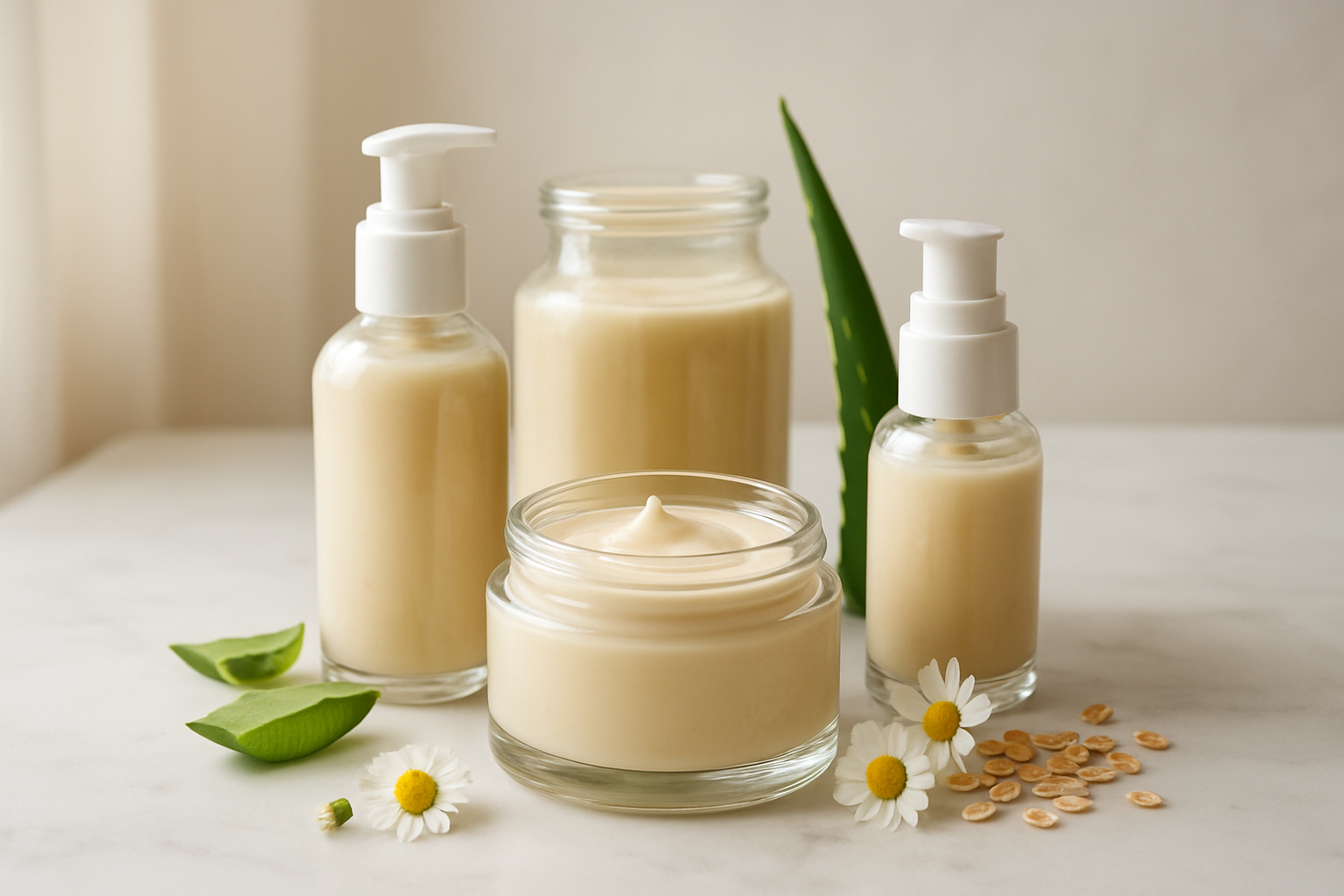
Create a realistic image of elegant glass jars and pump bottles containing natural moisturizers arranged on a clean white marble surface, featuring soft cream and beige colored products with natural ingredients like aloe vera leaves, chamomile flowers, and oat grains scattered around the containers, photographed in soft natural lighting from a window creating gentle shadows, with a minimalist spa-like background in neutral tones, emphasizing the luxurious and soothing nature of sensitive skin care products, absolutely NO text should be in the scene.

Lightweight serums with hyaluronic acid from natural sources

Plant-derived hyaluronic acid offers the same incredible hydrating benefits as its synthetic counterpart, but comes from natural sources like vegetable fermentation.

These serums deliver intense moisture without the heavy feel that can overwhelm sensitive skin. Look for products containing sodium hyaluronate from botanical origins, which penetrates deeper into the skin layers than regular hyaluronic acid.

Marine-sourced hyaluronic acid extracted from algae and seaweed provides exceptional hydration while offering additional minerals and antioxidants. These lightweight formulations absorb quickly, making them perfect for layering under other products or wearing alone during humid weather.

Some standout natural sources include:

  • Fermented plant sugars that naturally produce hyaluronic acid

  • Red algae extracts rich in polysaccharides

  • Tremella mushroom extract (nature’s hyaluronic acid)

  • Rose hip seed oil combined with botanical hyaluronic acid

Apply these serums to slightly damp skin for maximum absorption. The water helps the hyaluronic acid molecules bind more effectively, creating a plumping effect that smooths fine lines and maintains skin elasticity throughout the day.

Rich night creams with plant-based healing compounds

Nighttime offers the perfect opportunity for deeper nourishment when your skin naturally repairs itself. Plant-based healing compounds work synergistically with your skin’s overnight renewal process to restore balance and calm irritation.

Calendula-infused night creams provide powerful anti-inflammatory benefits, reducing redness and supporting skin barrier repair. Combined with chamomile extract, these formulations create a soothing sanctuary for reactive skin types.

Sea buckthorn oil stands out as a powerhouse ingredient, packed with vitamins A, C, and E plus omega fatty acids. This bright orange oil helps regenerate damaged skin cells while providing deep moisture that lasts until morning.

Other healing botanicals to seek out include:

  • Centella asiatica (cica) for wound healing and collagen production

  • Evening primrose oil for essential fatty acid replenishment

  • Bakuchiol as a gentle, natural retinol alternative

  • Oat kernel extract for its calming beta-glucans

Rich night creams should feel luxurious but not greasy. The best formulations absorb completely within 10-15 minutes, leaving skin soft and supple without transferring onto pillowcases.

Day moisturizers with natural SPF protection

Natural mineral sunscreens using zinc oxide and titanium dioxide offer broad-spectrum protection without the chemical irritants that can trigger sensitive skin reactions. These physical barriers sit on top of the skin, reflecting harmful UV rays while allowing the skin to breathe.

Zinc oxide provides the most comprehensive protection, blocking both UVA and UVB rays effectively. Modern formulations use micronized particles that blend seamlessly without leaving the telltale white cast of older mineral sunscreens.

Natural SPF moisturizers often include botanical enhancers that boost protection:

Natural Ingredient SPF Boost Additional Benefits
Red raspberry seed oil SPF 28-50 Antioxidant protection
Carrot seed oil SPF 38-40 Beta-carotene for skin repair
Wheat germ oil SPF 20 Vitamin E for moisture
Coconut oil SPF 4-10 Natural antimicrobial properties

These day moisturizers work best when applied 15-20 minutes before sun exposure. Reapplication every two hours remains essential, especially during extended outdoor activities.

Choose tinted versions for light coverage that evens skin tone while protecting against environmental stressors like pollution and blue light from screens.

Targeted Natural Treatments for Specific Skin Concerns

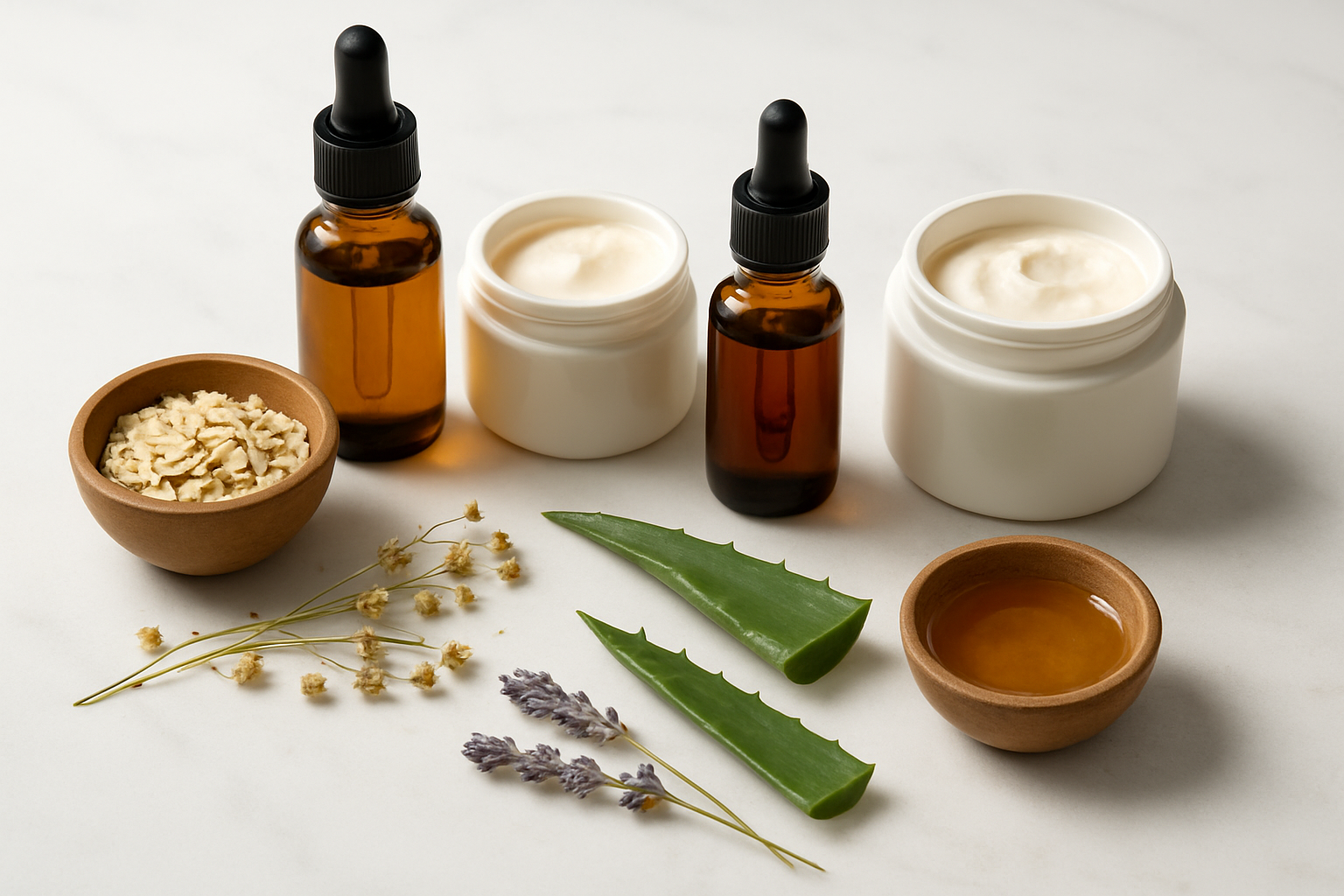
Create a realistic image of various natural skincare products arranged on a clean white marble surface, including small amber glass bottles with droppers containing serums and oils, white ceramic jars with natural creams, small wooden bowls filled with organic ingredients like oatmeal and honey, fresh aloe vera leaves, dried chamomile flowers, and lavender sprigs, with soft natural lighting from above creating gentle shadows, shot from a slightly elevated angle to show the arrangement clearly, with a minimalist spa-like aesthetic and calming neutral tones, Absolutely NO text should be in the scene.

Anti-aging serums with natural antioxidants

Vitamin C serum stands as the gold standard for natural anti-aging care, particularly when sourced from kakadu plum or acerola cherry. These potent botanicals deliver concentrated ascorbic acid that brightens skin tone while stimulating collagen production.

For sensitive skin types, magnesium ascorbyl phosphate offers a gentler alternative that won’t cause irritation or stinging.

Rosehip seed oil contains natural retinoids and essential fatty acids that smooth fine lines without the harsh side effects of synthetic retinol. Cold-pressed versions preserve the highest concentration of vitamins A, C, and E. Green tea extract provides powerful polyphenols that protect against free radical damage while reducing inflammation and redness.

Bakuchiol, derived from the babchi plant, mimics retinol’s benefits with zero irritation. Studies show it improves skin elasticity and reduces wrinkles as effectively as traditional retinol formulations.

Sea buckthorn oil delivers omega fatty acids and carotenoids that repair damaged skin cells and restore natural radiance.

Spot treatments using tea tree oil and zinc oxide

Tea tree oil requires proper dilution for sensitive skin – never exceed 5% concentration to avoid burns or excessive drying. Mix 2-3 drops with a carrier oil like jojoba or sweet almond oil before applying directly to blemishes.

The antimicrobial properties target acne-causing bacteria while reducing inflammation around breakouts.

Zinc oxide works as both a spot treatment and preventive measure. This mineral creates a protective barrier that blocks bacteria while absorbing excess oil.

Look for non-Nano zinc oxide formulations that won’t clog pores or leave white residue. Calamine lotion containing zinc oxide provides gentle drying action for active breakouts.

Manuka honey offers natural antibacterial benefits with added healing properties. Apply raw manuka honey directly to spots and leave for 15-20 minutes before rinsing.

The honey’s natural enzymes promote skin repair while preventing scarring. Combine with turmeric powder for enhanced anti-inflammatory effects.

Eye creams with gentle botanical ingredients

The delicate eye area requires ultra-gentle formulations that won’t trigger irritation or milia formation. Cucumber extract provides natural cooling and anti-inflammatory benefits that reduce puffiness and soothe tired eyes. Its high water content helps maintain moisture levels in this naturally dry area.

Chamomile extract contains azulene compounds that calm redness and sensitivity while promoting cellular regeneration. Roman chamomile proves gentler than German varieties for sensitive skin types.

Caffeine from green coffee beans improves circulation to diminish dark circles and reduce fluid retention.

Hyaluronic acid in low molecular weight forms penetrates deeper into skin layers, plumping fine lines from within. Pair with peptides from rice protein or silk amino acids that support collagen synthesis without causing reactions.

Centella Asiatica extract offers wound-healing properties that repair damage from environmental stressors.

Weekly masks for deep nourishment and repair

Oatmeal-based masks provide gentle exfoliation while delivering moisture-binding beta-glucans. Blend colloidal oatmeal with honey and yogurt for a soothing treatment that removes dead skin cells without abrasion. The natural saponins in oats cleanse while maintaining skin’s protective barrier.

Clay masks using French pink or white kaolin draw out impurities without over-drying sensitive skin. These gentler clays contain fewer harsh minerals compared to bentonite or montmorillonite varieties. Mix with rose water or aloe vera gel to prevent excessive tightening that can trigger irritation.

Avocado masks deliver essential fatty acids and vitamins E and K that repair damaged skin barriers. Mash ripe avocado with plain yogurt and a drizzle of raw honey for a nourishing treatment.

The natural oils penetrate deeply while lactic acid from yogurt provides gentle renewal. Sheet masks soaked in botanical essences like cucumber, aloe, or chamomile offer mess-free alternatives that deliver concentrated nutrients.

Building an Effective Natural Skincare Routine

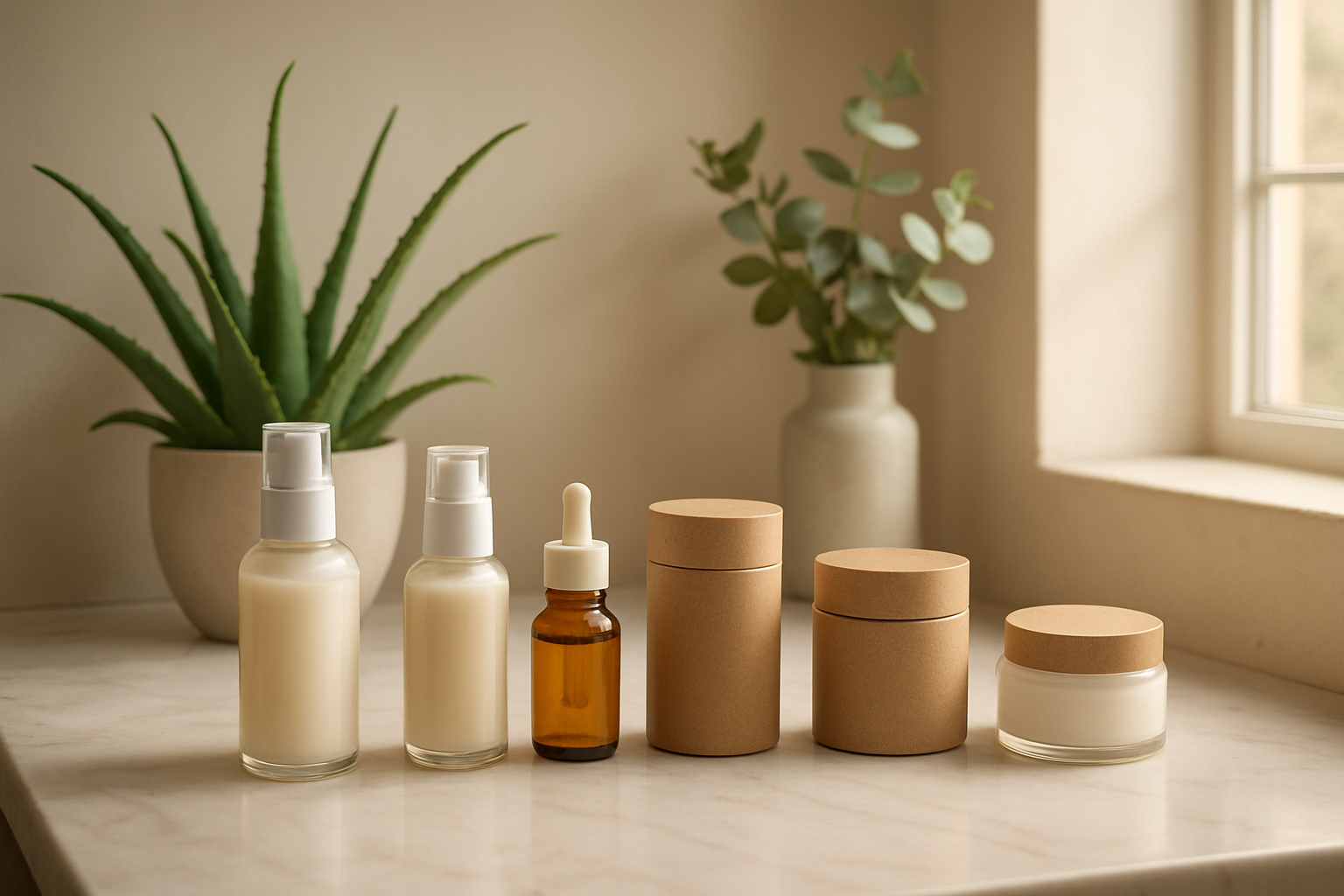
Create a realistic image of a serene bathroom vanity scene featuring an organized collection of natural skincare products including gentle cleansers, moisturizers, and serums in glass bottles and eco-friendly packaging arranged in a systematic order from left to right, with soft green plants like aloe vera and eucalyptus in the background, clean white marble countertop, warm natural lighting streaming through a window, creating a calm and spa-like atmosphere that suggests a daily skincare routine setup, absolutely NO text should be in the scene.

Morning routine steps for optimal protection

Start your morning routine with lukewarm water to gently wake up your skin without causing irritation. Pat your face dry with a clean, soft towel – never rub or scrub sensitive skin.

Apply a gentle natural cleanser like oat-based or chamomile-infused formulas. These ingredients naturally soothe while removing overnight buildup. Massage in circular motions for 30 seconds, then rinse thoroughly.

Follow with a hydrating toner containing rose water or aloe vera. These natural ingredients help restore your skin’s pH balance while providing an extra layer of moisture. Apply with clean hands or a soft cotton pad, gently pressing into the skin.

Your morning moisturizer should contain natural SPF ingredients like zinc oxide or titanium dioxide. Look for formulas enriched with jojoba oil, shea butter, or ceramides to create a protective barrier throughout the day. Apply in upward motions, paying special attention to areas prone to dryness.

Finish with a broad-spectrum natural sunscreen with at least SPF 30. Reapply every two hours if you’re spending time outdoors. Natural mineral sunscreens work best for sensitive skin types.

Evening routine for repair and regeneration

Your evening routine focuses on gentle cleansing and deep nourishment. Start with a natural oil cleanser containing sweet almond oil or sunflower seed oil to dissolve makeup and daily pollutants without stripping your skin.

Follow with a second cleanse using a cream-based natural cleanser with ingredients like calendula or honey. This double-cleansing method ensures all impurities are removed while maintaining your skin’s natural moisture barrier.

Apply a gentle natural exfoliant twice weekly using ingredients like rice powder or finely ground oats. These provide mild physical exfoliation without micro-tears that can worsen sensitivity.

Use a nourishing serum containing natural hyaluronic acid, vitamin E, or rosehip oil. These ingredients penetrate deeply to repair and regenerate skin cells overnight. Apply while your skin is still slightly damp to lock in moisture.

Your night moisturizer should be richer than your morning formula. Look for natural ingredients like ceramides, squalane, or evening primrose oil. These work overnight to strengthen your skin barrier and reduce inflammation.

Apply a thin layer of natural face oil as the final step. Marula oil, argan oil, or jojoba oil provide intense nourishment without clogging pores.

Weekly treatments to enhance skin health

Incorporate a weekly hydrating mask containing natural ingredients like honey, oatmeal, or cucumber. These provide intensive moisture while calming irritation. Leave on for 15-20 minutes before gently removing with lukewarm water.

Use a gentle enzyme mask bi-weekly featuring papaya or pumpkin extracts. These natural fruit enzymes provide chemical exfoliation that’s much gentler than physical scrubs for sensitive skin types.

Try weekly facial steaming with chamomile tea or lavender essential oil. Steam for 5-10 minutes to open pores and allow deeper penetration of your skincare products. Always follow with a hydrating mask or serum.

Consider monthly treatments with natural clay masks containing kaolin or bentonite clay mixed with soothing ingredients like aloe vera gel. These help draw out impurities while calming sensitive skin.

Perform weekly lymphatic drainage massage using your favorite natural facial oil. Gentle upward strokes help reduce puffiness and improve circulation, promoting healthier skin overall.

Add a weekly overnight treatment using natural ingredients like snail secretion filtrate or bakuchiol (a natural retinol alternative). These provide anti-aging benefits without the irritation associated with synthetic alternatives.

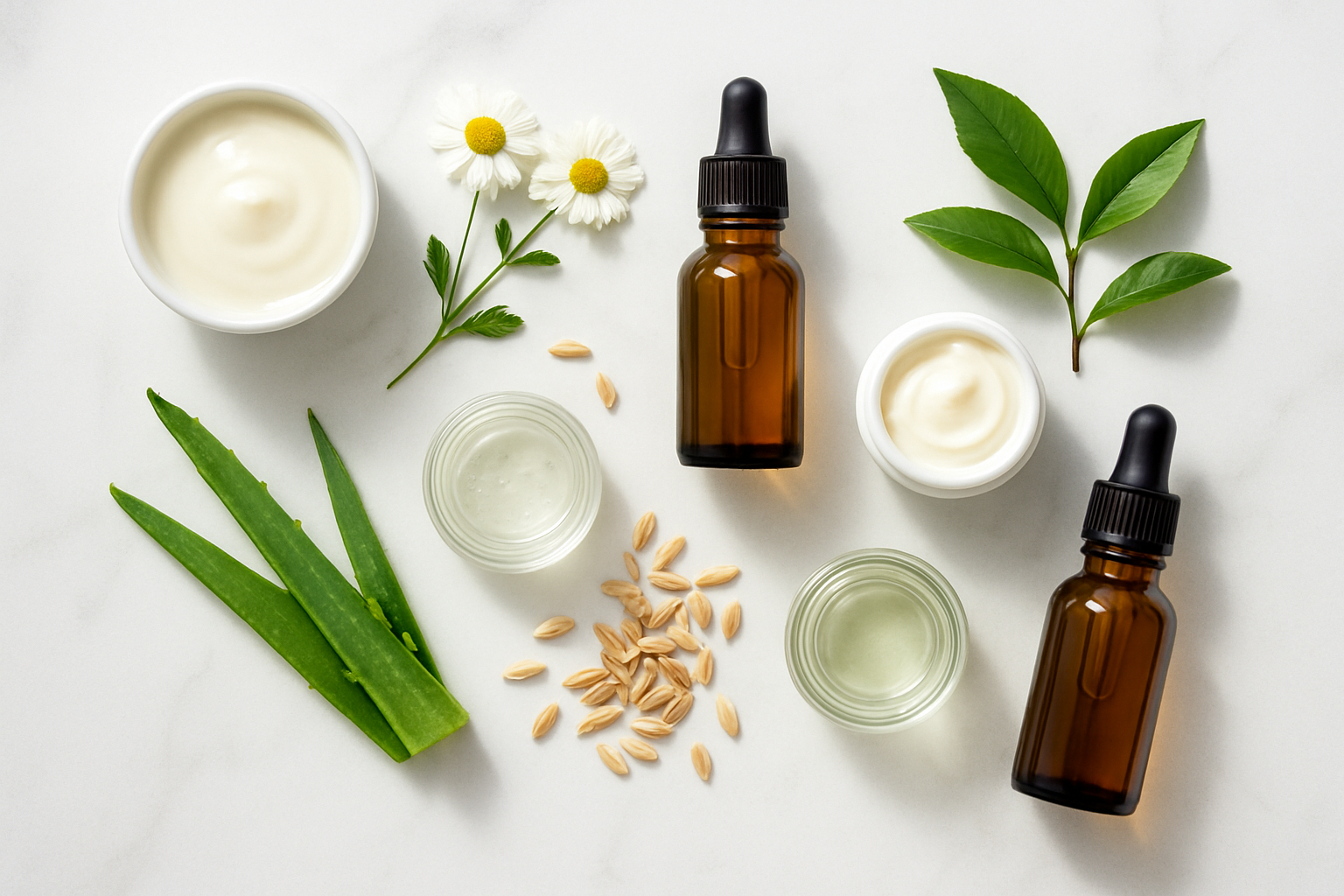
Create a realistic image of a serene flat lay arrangement on a clean white marble surface featuring an assortment of natural skincare products including amber glass bottles, white ceramic jars, and clear glass containers with droppers, surrounded by fresh botanicals like chamomile flowers, aloe vera leaves, oat grains, and green tea leaves, with soft natural lighting casting gentle shadows, creating a peaceful and organic atmosphere that conveys gentle care and natural beauty, shot from directly above with even illumination and a minimalist aesthetic, absolutely NO text should be in the scene.

Conclusion : 

Sensitive skin doesn’t have to be a daily struggle when you know which natural ingredients work best for your needs. The gentle power of ingredients like chamomile, aloe vera, and oat extract can transform your skincare routine from a source of irritation into a soothing ritual.

By choosing cleansers that respect your skin barrier, moisturizers that provide lasting comfort, and targeted treatments that address your specific concerns, you’re giving your skin exactly what it needs to thrive.

Start small and build your natural skincare routine gradually – your skin will thank you for the patience. Remember, the best skincare routine is one you can stick with consistently, using products that make your skin feel calm and comfortable rather than reactive.

Take time to patch test new products and listen to what your skin is telling you. With the right natural ingredients and a gentle approach, you can achieve healthy, happy skin that feels as good as it looks.

Calendar

March 2026
M T W T F S S
 1
2345678
9101112131415
16171819202122
23242526272829
3031