
Best Face Wash For Oily Skin |Misskin
Dealing with oily skin can feel like a never-ending battle against shine, clogged pores, and breakouts. If you’re tired of trying random products that promise to control oil but leave your skin either stripped or still greasy, you’re not alone.
This guide is for anyone with oily or combination skin who wants to find the best face wash for oily skin that actually works. We’ll break down the key ingredients that make a real difference in controlling excess oil and reveal our top-rated face wash recommendations from Misskin’s collection.
You’ll also learn proper cleansing techniques that maximize oil control without damaging your skin barrier, plus how to build a complete skincare routine that keeps your complexion balanced and healthy-looking all day long.
Understanding Oily Skin and Its Unique Cleansing Needs
Signs your skin produces excess oil and sebum
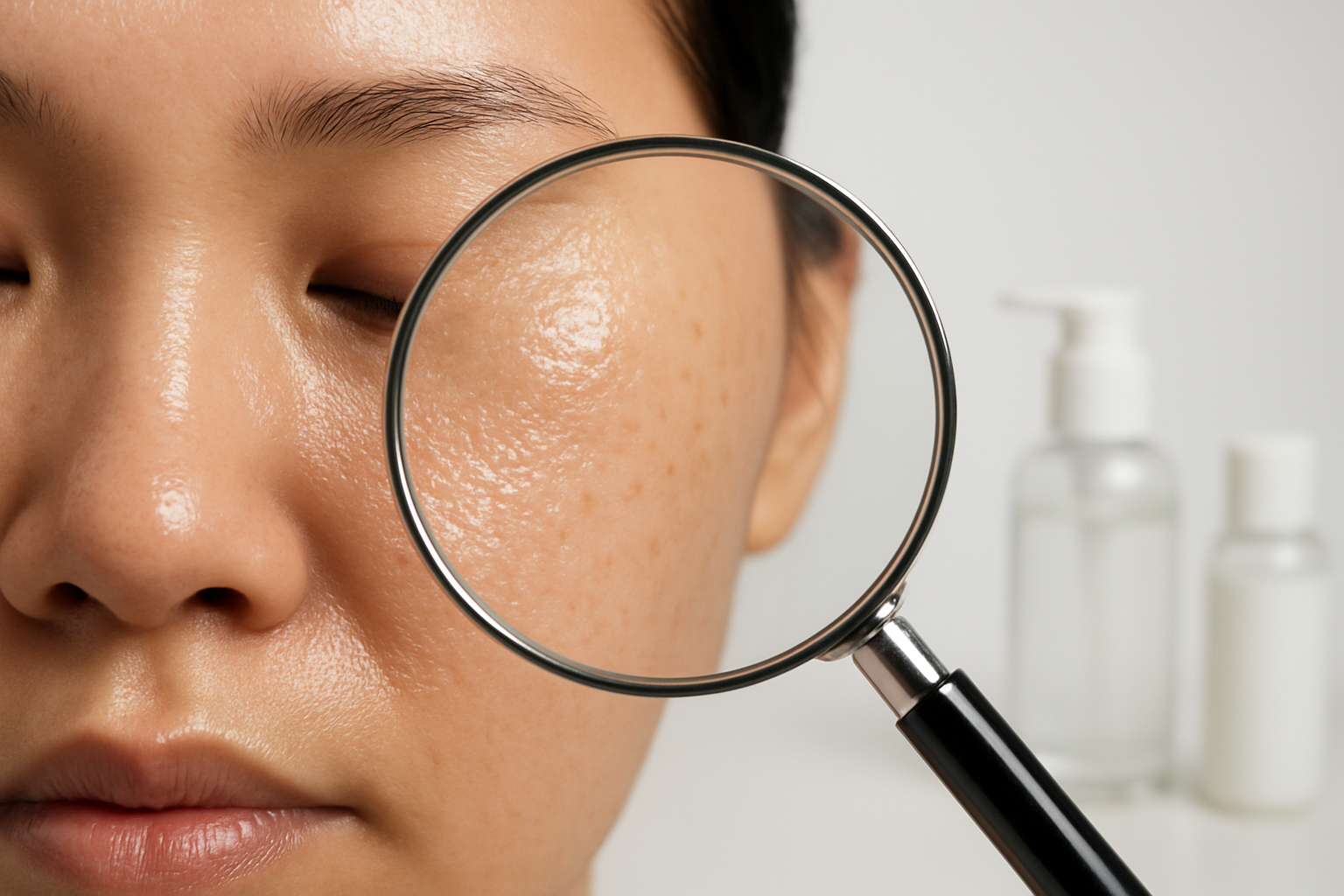
Your skin constantly broadcasts signals when sebum production goes into overdrive. The most obvious telltale sign is that persistent shine appearing across your T-zone – forehead, nose, and chin – often within just a few hours of cleansing.
This greasy appearance happens because your sebaceous glands pump out more oil than your skin actually needs.
Enlarged, visible pores create another dead giveaway. When oil production ramps up, pores stretch to accommodate the increased sebum flow, making them appear larger and more noticeable, especially around your nose and cheeks.
You’ll also notice your makeup slides off or separates throughout the day, no matter how much primer you apply.
Frequent breakouts, particularly blackheads and whiteheads, signal overactive oil glands. The excess sebum mixes with dead skin cells and gets trapped in pores, creating the perfect breeding ground for acne-causing bacteria.
Your skin might feel thick or coarse to the touch, and blotting papers become your best friend as they quickly soak up surface oil.
Many people with oily skin also experience seasonal fluctuations, with oil production peaking during warmer months or times of hormonal change.
If you find yourself reaching for blotting papers multiple times daily or your face looks like you’ve applied a layer of petroleum jelly by midday, your skin is definitely producing excess sebum.
Why oily skin requires specialized face wash formulations
Regular cleansers simply can’t handle the unique challenges that come with overactive sebaceous glands. Oily skin produces up to three times more sebum than normal skin types, creating a complex cleansing situation that demands targeted ingredients and specific pH levels.
Standard face washes often leave behind residual oil because they lack the degreasing power needed to cut through thick sebum layers.
Oily skin requires cleansers with oil-dissolving surfactants that can penetrate deep into pores and break down stubborn sebaceous buildup without stripping the skin’s protective barrier.
The pH balance becomes critical here. Oily skin typically has a more alkaline surface pH, which can disrupt the skin’s natural acid mantle and trigger even more oil production.
Specialized formulations maintain an optimal pH between 4.5-6.5, helping restore balance while controlling excess sebum.
Active ingredients make the real difference. Salicylic acid penetrates oil-filled pores to dissolve debris, while benzoyl peroxide targets acne-causing bacteria that thrive in oily environments.
Clay-based cleansers absorb excess oil without over-drying, and niacinamide helps regulate sebum production at the source.
Texture matters too. Gel and foam cleansers work better for oily skin because they rinse cleanly without leaving heavy residues that cream cleansers might deposit on already oil-prone skin.
Common mistakes that worsen oily skin conditions
Over-cleansing tops the list of counterproductive habits. Many people think scrubbing their face multiple times daily will eliminate oil, but this aggressive approach actually triggers your skin to produce even more sebum as a protective response.
Your sebaceous glands interpret harsh cleansing as an attack and ramp up oil production to compensate.
Using alcohol-based products creates another major pitfall. While these products initially make skin feel squeaky clean and oil-free, they strip away natural lipids and disrupt the skin barrier.
This damage signals your oil glands to work overtime, creating a vicious cycle of dryness followed by excessive oiliness.
Skipping moisturizer represents perhaps the biggest misconception about oily skin care. Many people avoid moisturizers entirely, believing their skin produces enough natural oils.
However, dehydrated skin often overproduces sebum to compensate for lack of moisture. The right lightweight, non-comedogenic moisturizer actually helps regulate oil production.
Choosing the wrong cleansing tools compounds these problems. Rough washcloths, abrasive scrubs, or harsh exfoliating brushes can irritate oily skin and stimulate more sebum production. Hot water also strips natural oils, triggering rebound oiliness.
Product layering mistakes happen frequently too. Using multiple oil-control products simultaneously – like a drying cleanser, astringent toner, and benzoyl peroxide treatment all at once – overwhelms skin and often backfires, leading to irritation and increased oil production rather than the desired matte finish.
Key Ingredients That Transform Oily Skin
Salicylic Acid for Deep Pore Cleansing and Oil Control
Salicylic acid stands as the gold standard for tackling oily skin concerns. This beta-hydroxy acid (BHA) penetrates deep into pores, dissolving the buildup of oil, dead skin cells, and debris that leads to blackheads and breakouts.
Unlike other acids that work only on the skin’s surface, salicylic acid is oil-soluble, allowing it to cut through sebum and reach the root of clogged pores.
The magic happens through gentle exfoliation – salicylic acid loosens the bonds between dead skin cells, helping them shed naturally without harsh scrubbing.
This process prevents pore blockages while reducing the appearance of enlarged pores over time. Regular use can dramatically decrease oil production and keep your complexion clearer and more balanced.
Look for face washes containing 0.5% to 2% salicylic acid concentration. Start with lower percentages to build tolerance, then gradually increase if needed. Daily use is generally safe for most people, but pay attention to your skin’s response.
Niacinamide for Reducing Shine and Minimizing Pores
Niacinamide, also known as vitamin B3, works as a multitasking powerhouse for oily skin types. This water-soluble vitamin regulates sebum production at the cellular level, helping balance your skin’s natural oil output without causing dryness or irritation.
The pore-minimizing effects of niacinamide are particularly impressive. While you can’t actually shrink pore size permanently, niacinamide strengthens the skin around pores, making them appear smaller and less noticeable.
It also improves skin texture and reduces the appearance of enlarged pores caused by excess oil and sun damage.
Beyond oil control, niacinamide offers anti-inflammatory benefits that calm redness and irritation often associated with oily, acne-prone skin. It strengthens the skin barrier, helping maintain healthy moisture levels while controlling excess shine.
Face washes with 2% to 5% niacinamide provide optimal results without causing sensitivity. This ingredient plays well with others, making it an excellent choice for combination products.
Tea Tree Oil for Natural Antibacterial Protection
Tea tree oil brings powerful antimicrobial properties to your cleansing routine. This natural extract from the Melaleuca alternifolia plant effectively fights acne-causing bacteria while providing gentle antiseptic action that prevents future breakouts.
The antibacterial effects specifically target Propionibacterium acnes, the primary bacteria responsible for inflammatory acne. Tea tree oil disrupts bacterial cell walls, reducing colony formation in pores and on skin surfaces.
This natural approach offers an alternative to synthetic antibacterial agents that might cause resistance over time.
Beyond bacteria-fighting abilities, tea tree oil helps regulate oil production and provides anti-inflammatory benefits. It soothes existing blemishes while preventing new ones from forming. The cooling sensation also provides immediate relief for irritated, inflamed skin.
Choose face washes with 5% to 10% tea tree oil concentration. Higher percentages may cause irritation, especially for sensitive skin types. Always patch test before full application, and avoid getting the product in your eyes.
Clay-Based Ingredients for Absorbing Excess Sebum
Clay ingredients act like natural magnets for excess oil and impurities. Different clay types offer varying benefits, but all work by drawing sebum, dirt, and toxins from deep within pores while providing gentle detoxification.
Bentonite clay expands when mixed with water, creating a powerful pulling action that extracts impurities from pores. Kaolin clay offers gentler absorption, making it suitable for sensitive oily skin.
French green clay provides the strongest oil-absorbing properties, ideal for very oily complexions.
The immediate mattifying effect of clay-based cleansers helps control shine throughout the day. Regular use gradually reduces pore congestion and prevents the buildup that leads to blackheads and enlarged pores.
Clay also provides mild exfoliation, removing dead skin cells that can trap oil and bacteria.
| Clay Type | Oil Absorption | Sensitivity Level | Best For |
|---|---|---|---|
| Bentonite | High | Moderate | Normal to oily skin |
| Kaolin | Moderate | Low | Sensitive oily skin |
| French Green | Very High | High | Very oily, non-sensitive skin |
Look for face washes that combine clay with hydrating ingredients to prevent over-drying. Use clay-based cleansers 3-4 times per week initially, adjusting frequency based on your skin’s response.
Top-Rated Face Washes for Oily Skin Types
Budget-friendly drugstore options that deliver results
CeraVe Foaming Facial Cleanser stands out as a dermatologist favorite that won’t break the bank. This gentle yet effective cleanser contains ceramides and hyaluronic acid, creating a perfect balance for oily skin that needs moisture retention without excess oil production.
The foaming action removes dirt and makeup while maintaining the skin’s natural barrier.
Neutrogena Ultra Gentle Daily Cleanser offers another excellent drugstore choice. Its fragrance-free formula works especially well for those who experience irritation from heavily scented products.
The mild surfactants effectively cleanse without over-drying, making it suitable for daily use morning and night.
La Roche-Posay Effaclar Purifying Foaming Gel brings French pharmacy expertise to your local drugstore. Formulated with zinc pidolate, it targets excess oil production while respecting the skin’s pH balance.
The gel texture transforms into a rich foam that removes impurities and reduces shine throughout the day.
Aveeno Clear Complexion Foaming Cleanser combines salicylic acid with soy extracts for a budget-friendly acne-fighting option. This dual-action formula not only controls oil but also helps prevent breakouts, making it ideal for oily, acne-prone skin types.
Premium formulations for advanced oil control
Drunk Elephant Beste No. 9 Jelly Cleanser revolutionizes oil control with its unique jelly texture and pH-balanced formula.
This premium cleanser contains mild plant-derived surfactants that effectively remove makeup, sunscreen, and excess oil without disrupting the skin’s acid mantle. The addition of cucumbers provides a cooling sensation while antioxidants protect against environmental damage.
SK-II Facial Treatment Cleanser incorporates the brand’s signature Pitera technology for luxury oil control.
This creamy foam contains over 50 vitamins, amino acids, and minerals that work together to balance oil production while promoting skin renewal. The gentle yet thorough cleansing action leaves skin feeling refreshed without tightness.
Tatcha The Deep Cleanse combines Japanese skincare wisdom with modern formulation. This gel cleanser features Japanese wild rose for antioxidant protection and luffa fruit to gently exfoliate dead skin cells.
The result is a deep clean that manages oil production while improving skin texture and radiance.
Clinique Liquid Facial Soap Extra Mild offers dermatologist-developed precision for oily skin. This soap-free formula removes dirt, oil, and pollution particles while maintaining optimal moisture levels.
The brand’s commitment to allergy testing ensures minimal reaction risk for sensitive skin types.
Gentle yet effective cleansers for sensitive oily skin
Finding the right balance between oil control and gentleness requires careful ingredient selection. Vanicream Gentle Facial Cleanser provides effective cleansing without common irritants like fragrances, dyes, or harsh sulfates.
This dermatologist-recommended option works well for those with rosacea or eczema who also struggle with excess oil production.First Aid Beauty Pure Skin Face Cleanser combines gentle cleansing with acne-fighting ingredients.
The cream-to-foam formula contains salicylic acid at a low concentration, making it suitable for sensitive skin while still providing oil control benefits. White clay helps absorb excess oil without causing irritation.
Paula’s Choice CALM Restoring Gel Cleanser caters specifically to sensitive, oily skin. This fragrance-free formula contains plant-based cleansing agents that remove oil and impurities while chamomile and aloe vera soothe potential irritation.
The gentle pH-balanced formula maintains skin comfort during cleansing.Eucerin DermoPurifyer Oil Control Face Wash offers European skincare expertise for sensitive oily skin.
The soap-free formula contains 6% ampho-surfactants that provide thorough cleansing without over-drying. Lactic acid gently exfoliates while antibacterial agents help prevent breakouts.
Natural and organic face washes for chemical-free cleansing
Burt’s Bees Natural Acne Solutions Purifying Gel Cleanser harnesses nature’s power with willow bark extract, a natural source of salicylic acid.
This organic formula controls oil production while remaining gentle on the skin. Tea tree oil provides additional antibacterial benefits, making it excellent for acne-prone oily skin.
Weleda Naturally Clear Purifying Gel Cleanser features organic willow bark and witch hazel for natural oil control. This certified organic cleanser removes impurities while maintaining the skin’s natural balance.
The gentle plant-based formula avoids synthetic fragrances and harsh chemicals.
Anadolu Naturals Citrus Kombucha Cleansing Gel offers probiotic benefits for oily skin. This fruit stem cell science formula contains kombucha probiotics that help balance the skin’s microbiome while citrus extracts provide natural oil control.
The organic ingredients work together to purify without stripping natural moisture.
For More Information Contact Us : 73386 71338
The Honest Company Gel Cleanser combines plant-based cleansing agents with chamomile and calendula for soothing oil control.
This hypoallergenic formula avoids sulfates, parabens, and synthetic fragrances while effectively removing excess oil and impurities. The gentle yet effective cleansing action makes it suitable for daily use on sensitive oily skin
Proper Application Techniques for Maximum Oil Control
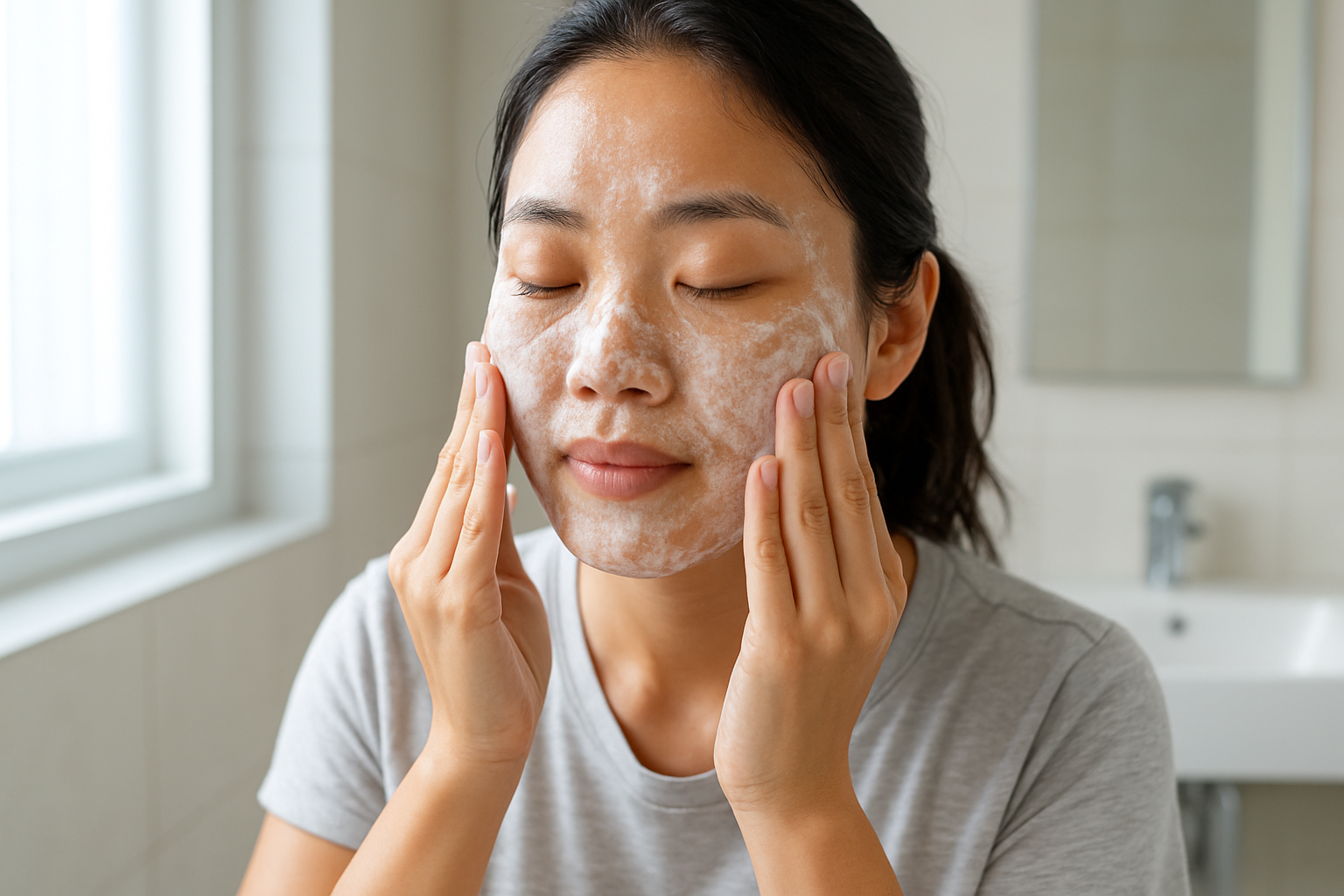
Optimal Water Temperature and Cleansing Duration
Using lukewarm water creates the perfect environment for effective cleansing without triggering your skin’s oil production into overdrive. Water that’s too hot strips away natural oils, causing your sebaceous glands to compensate by producing even more oil.
Cold water, while refreshing, doesn’t effectively dissolve sebum and can leave pores clogged with oil and debris.
The sweet spot sits between 98-100°F (37-38°C) – warm enough to open pores slightly and soften oil buildup, but cool enough to avoid irritation. Cleansing duration matters just as much as temperature.
Spend 30-60 seconds working the cleanser into your skin, giving active ingredients enough time to penetrate and break down excess oils without over-manipulating your skin.
Rushing through cleansing in 10-15 seconds won’t give salicylic acid or benzoyl peroxide enough contact time to work effectively. However, extending beyond two minutes can lead to irritation and compromise your skin barrier, especially with potent acne-fighting ingredients.
Massage Techniques That Enhance Product Effectiveness
Gentle circular motions using your fingertips create the most effective cleansing action for oily skin. Start at your T-zone where oil production tends to be heaviest, working outward in small circles. Apply light pressure – your skin should never feel stretched or pulled during cleansing.
Focus extra attention on areas prone to blackheads and congestion, typically around the nose, chin, and forehead. These zones benefit from an additional 10-15 seconds of gentle massage to help dislodge trapped sebum and dead skin cells.
Avoid scrubbing or using harsh circular motions, which can actually stimulate oil production and cause micro-tears in the skin.
For stubborn makeup or sunscreen removal, use the double-cleanse method. Start with an oil-based cleanser using gentle pressing motions to dissolve makeup, followed by your regular face wash with circular massage techniques.
This approach prevents the need for aggressive rubbing that can irritate oily, acne-prone skin.
Pay attention to often-missed areas like the hairline, jawline, and around the ears where oil and product buildup commonly occurs. These spots contribute to breakouts if not properly addressed during your cleansing routine.
For More Information Contact Us : 73386 71338
Frequency Guidelines to Prevent Over-Cleansing Damage
Cleansing twice daily – morning and evening – provides optimal oil control for most oily skin types. Morning cleansing removes overnight oil buildup and prepares skin for daytime products, while evening cleansing eliminates makeup, sunscreen, pollution, and accumulated sebum from the day.
Some people with extremely oily skin feel tempted to cleanse three or more times daily, but this approach typically backfires.
Over-cleansing disrupts your skin’s natural pH balance and compromises the protective barrier, leading to increased sensitivity, irritation, and paradoxically, more oil production as your skin tries to repair itself.
If your skin feels oily mid-day, use blotting papers or a gentle toner on a cotton pad instead of additional cleansing. This removes excess surface oil without disrupting your skin’s balance or stripping away beneficial elements.
| Skin Condition | Cleansing Frequency | Special Considerations |
|---|---|---|
| Normal oily skin | 2x daily | Standard morning/evening routine |
| Severely oily skin | 2x daily max | Use blotting papers between cleansing |
| Oily + sensitive | 1-2x daily | Start with once daily, increase gradually |
| Post-breakout healing | 1x daily | Reduce frequency during recovery |
During active breakouts or when starting new acne treatments, you might need to temporarily reduce cleansing frequency to once daily until your skin adjusts.
Your skin’s tolerance can change with seasons, hormonal fluctuations, and product changes, so stay flexible and adjust your routine accordingly.
Building Your Complete Oily Skin Care Routine
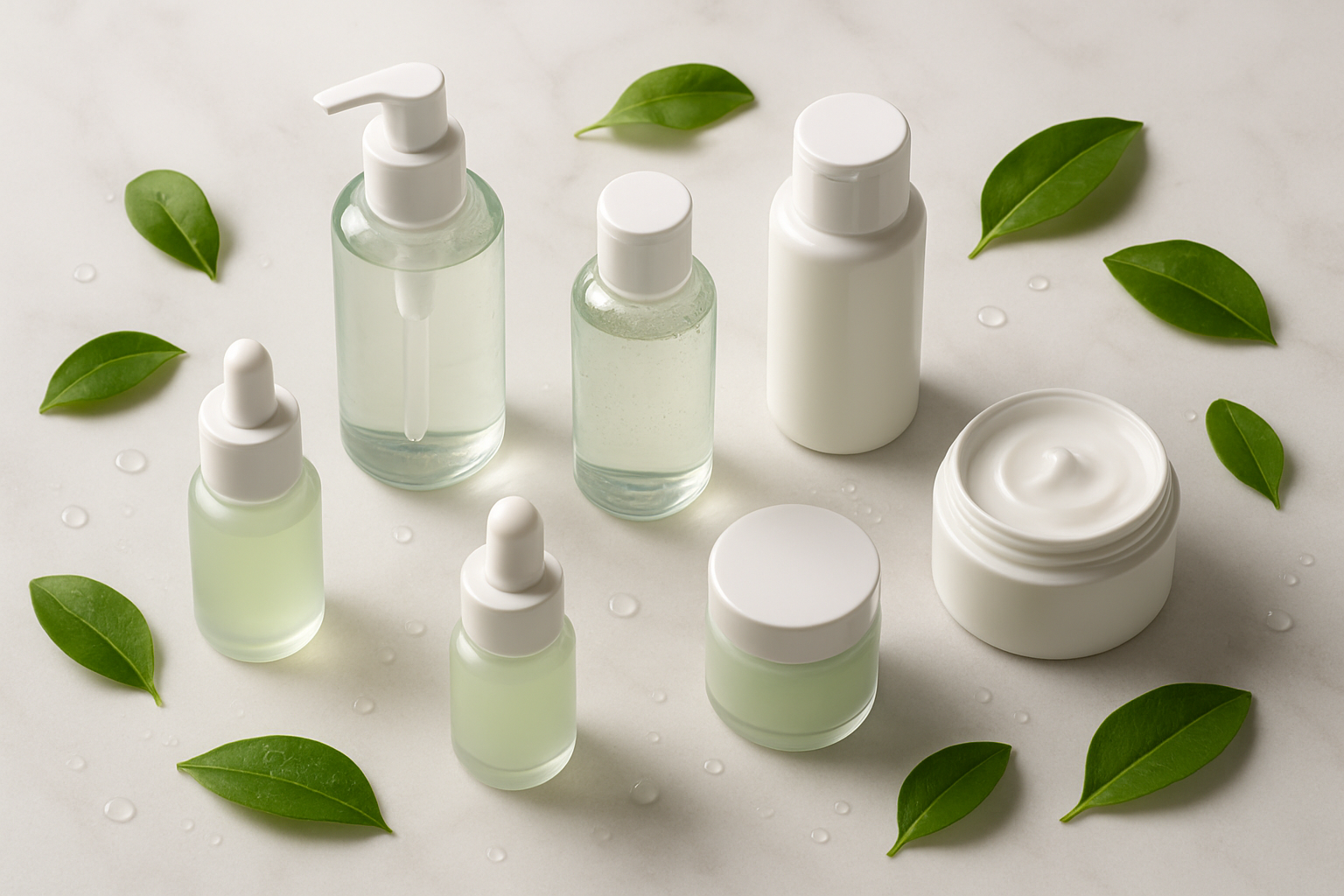
Morning Cleansing Rituals for All-Day Oil Control
Start your day with lukewarm water and your chosen face wash designed for oily skin. The temperature matters more than you might think – hot water strips away natural oils, causing your skin to overcompensate by producing even more sebum throughout the day.
Apply your cleanser to damp skin using gentle, circular motions for 30-45 seconds. This gives active ingredients like salicylic acid or benzoyl peroxide enough time to work their magic without over-irritating your skin.
Rinse thoroughly and pat dry with a clean towel – never rub, as this can stimulate oil production.
Follow immediately with a lightweight, oil-free moisturizer. Many people with oily skin skip this step, but hydrated skin actually produces less excess oil. Look for gel-based formulas containing hyaluronic acid or niacinamide.
Apply broad-spectrum SPF 30 or higher as your final step. Choose non-comedogenic, zinc oxide or titanium dioxide-based sunscreens that won’t clog pores or add unwanted shine to your complexion.
For More Information Contact Us : 73386 71338
Evening Deep-Cleansing Protocols for Pore Purification
Your evening routine should focus on removing the day’s buildup of oil, makeup, pollution, and dead skin cells. Start with a gentle makeup remover if needed, then proceed to your main cleanser.
For deeper cleansing, consider double cleansing 2-3 times per week. Begin with an oil-based cleanser (yes, even for oily skin!) to dissolve sebum and makeup, followed by your regular water-based face wash. This method prevents over-cleansing while ensuring thorough pore purification.
Incorporate chemical exfoliation 2-3 times weekly using products containing BHA (salicylic acid) or AHA (glycolic acid). These ingredients penetrate pores to remove buildup and prevent blackheads.
Start slowly to avoid irritation and always use in the evening, as they can increase sun sensitivity. Apply a clay mask once or twice weekly to absorb excess oil and tighten pores. Bentonite or kaolin clay work exceptionally well for oily skin types.
Complementary Products That Enhance Face Wash Benefits
| Product Type | Key Ingredients | Benefits | Application Frequency |
|---|---|---|---|
| Toner | Witch hazel, niacinamide | Removes residual oil, minimizes pores | Daily (AM/PM) |
| Serum | Vitamin C, retinol | Antioxidant protection, cell turnover | Daily (AM for Vitamin C, PM for retinol) |
| Spot Treatment | Benzoyl peroxide, tea tree oil | Targets breakouts | As needed |
| Weekly Mask | Clay, charcoal | Deep pore cleansing | 1-2 times weekly |
A quality toner helps balance your skin’s pH after cleansing and removes any remaining traces of dirt or cleanser. Look for alcohol-free formulas containing niacinamide, which regulates oil production and reduces pore appearance.
Vitamin C serum in the morning provides antioxidant protection against environmental damage while brightening your complexion. Evening retinol treatments boost cell turnover, preventing clogged pores and improving skin texture over time.
Seasonal Adjustments for Changing Skin Needs
Your oily skin behaves differently throughout the year, requiring routine adjustments to maintain optimal balance.
Summer months typically bring increased oil production due to higher temperatures and humidity levels. Switch to lighter formulations and consider adding a clay mask to your weekly routine.
During winter, even oily skin can become dehydrated from indoor heating and cold weather. Reduce the frequency of exfoliating treatments and incorporate a slightly richer moisturizer.
Your cleanser choice might shift from gel-based to cream-based formulas that won’t strip your skin’s protective barrier.
Spring allergies can trigger increased oil production and sensitivity. Stick to gentler cleansing routines and avoid introducing new products during high pollen seasons.
Fall provides the perfect opportunity to introduce stronger active ingredients like retinoids or higher concentrations of acids, as sun exposure typically decreases. This allows your skin to adjust without increased photosensitivity concerns.
Monitor your skin’s response and adjust product frequency rather than completely changing your routine. Consistency with modifications works better than dramatic seasonal overhauls.
Conclusion :
Finding the right face wash for oily skin doesn’t have to feel like an impossible mission. The key ingredients we’ve covered – salicylic acid, niacinamide, and tea tree oil – really do make a difference when you use them consistently.
Remember that gentle cleansing twice daily beats harsh scrubbing every time, and your skin will thank you for treating it with care rather than trying to strip away every bit of oil.
Your face wash is just one piece of the puzzle, though. Pairing it with the right moisturizer and treatments creates a routine that actually works long-term.
Start with one new product at a time, give your skin a few weeks to adjust, and don’t be afraid to mix and match until you find what clicks. Your perfect oily skin routine is out there – it just takes a little patience and the right knowledge to build it.
For More Information Contact Us : 73386 71338